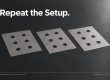
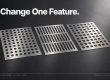
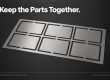
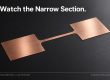
Flexible Printed Circuit ( FPC) stiffeners reinforce selected areas of a flex circuit where additional rigidity, connector support or assembly stability is required. Depending on the design, stiffeners may use polyimide, stainless steel, copper or other specified materials, and the correct choice depends on mechanical, thermal, electrical and assembly requirements.
For metal stiffeners, photochemical etching is useful when the part contains small openings, narrow webs, irregular outlines or multiple variants that would make hard tooling inefficient. The process can produce flat metal stiffeners directly from CAD artwork while avoiding conventional stamping burrs and thermal cutting effects.
This guide focuses on the materials, thickness and tolerance considerations, DFM rules and application requirements engineers should review when specifying photo-etched FPC stiffeners.
Understanding High Precision Photo Etching
What is Photo Etching?
Photo etching, or chemical milling or photochemical machining ( PCM) , is a precision manufacturing process to create intricate and detailed metal parts. The process begins with applying a photoresist mask onto the metal surface and then exposing it to UV light through a photomask containing the desired pattern. The exposed areas of the photoresist are then developed, leaving behind a protective layer that shields parts of the metal from the etching solution. The chemical etchant dissolves the unprotected metal, leaving the desired etched pattern behind.
Advantages of High Precision Photo Etching
High-precision photo etching offers several advantages, including exceptional accuracy and repeatability, making it ideal for producing components with complex geometries and tight tolerances. The process allows for the creation fine features and intricate designs without introducing mechanical stress or altering the material properties, which is particularly important for sensitive electronic components. Additionally, it is cost-effective for small to medium production runs and offers flexibility in design modifications.
Applications in FPC Stiffeners
High-precision photo etching is particularly well-suited for creating FPC stiffeners. It produces thin, intricate, and exact stiffeners that conform to the same specifications required in flexible circuits. This precision ensures the stiffeners fit perfectly within the flexible circuit, providing the necessary support without compromising the circuit’s flexibility.
Types of FPC Stiffeners Created by Photo Etching
Materials Used
Common materials used in FPC stiffeners include polyimide, stainless steel, and copper. Polyimide is chosen for its excellent thermal stability and flexibility, making it ideal for rigidity and heat resistance applications. Stainless steel offers superior mechanical strength and corrosion resistance, making it suitable for high-durability applications. Copper is often used for its excellent conductivity, providing electrical and mechanical reinforcement.
Thickness and Tolerances
The photo etching process allows for creating FPC stiffeners with precise thicknesses, typically ranging from 25 microns to 500 microns, depending on the material. Tolerances as tight as ±10% of the material thickness are achievable, ensuring that the stiffeners meet exact specifications for each application.
Custom Designs
Photo etching enables the production of custom-designed stiffeners tailored to specific application requirements. Whether the design calls for intricate patterns, varying thicknesses, or complex shapes, photo etching can produce stiffeners that precisely match the needs of the flexible circuit, ensuring optimal performance and integration.
Benefits of Using High Precision Photo Etched FPC Stiffeners
Enhanced Performance
Photo-etched FPC stiffeners significantly improve the performance of flexible circuits by providing targeted rigidity where needed. This added support ensures that the flexible circuits maintain integrity during bending, folding, or insertion into connectors, preventing damage and ensuring reliable electrical connections. The precise nature of photo etching allows stiffeners to be placed precisely where they are most needed, optimizing the circuit’s overall performance.
Increased Durability
High-precision photo-etched stiffeners contribute to the longevity and reliability of electronic components, especially in high-stress environments. By reinforcing critical areas of the flexible circuit, these stiffeners protect against mechanical stress, wear, and tear, which can lead to circuit failure over time. This increased durability is essential in applications where the circuit will be subjected to repeated movement or harsh operating conditions.
Design Flexibility
One critical benefit of photo etching is its design flexibility. Complex shapes and intricate patterns can be created with high precision, allowing for the development of custom stiffeners that fit a project’s exact specifications. This design freedom means that engineers can optimize the performance and reliability of their circuits without being limited by the manufacturing process.
Applications of High Precision Photo Etching in FPC Stiffeners
Consumer Electronics
FPC stiffeners are widely used in smartphones, tablets, and other portable devices, where space is limited, and components must be flexible and durable. The stiffeners help to maintain the structural integrity of the circuits, ensuring reliable operation even in devices that are frequently handled and bent.
Automotive Industry
In automotive electronics, where durability and reliability are critical, high-precision photo-etched FPC stiffeners provide the necessary reinforcement to ensure long-term performance. These stiffeners are often used in applications such as dashboard controls, sensors, and infotainment systems, where they help protect the circuits from the harsh conditions of the automotive environment.
Medical Devices
The miniaturization and precision required in medical electronics make photo-etched FPC stiffeners an ideal solution. They are used in devices such as pacemakers, diagnostic tools, and wearable health monitors, where they provide the necessary support to ensure consistent performance without adding unnecessary bulk or weight.
Comparing High Precision Photo Etching with Other Methods
Mechanical Stamping vs. Photo Etching
Photo etching offers advantages over mechanical stamping, particularly precision and design complexity. While stamping is a faster process for high-volume production, it cannot produce intricate designs with tight tolerances. On the other hand, photo etching can create highly detailed and complex geometries without the risk of deforming the material, making it ideal for precision applications like FPC stiffeners.
Laser Cutting vs. Photo Etching
Unlike laser cutting, which can introduce heat-affected zones and material stress, photo etching is a non-thermal process that preserves the material’s integrity. Laser cutting may cause warping or changes in the material’s properties, which can be detrimental in applications requiring high precision. Photo etching eliminates these issues, ensuring a clean, precise cut with no thermal distortion.
Cost-effectiveness
High-precision photo etching is more cost-effective than mechanical stamping or laser cutting for small to medium production runs. The low tooling costs and ability to quickly adapt designs make photo etching an economical choice for producing high-quality stiffeners in smaller quantities.
Challenges and Considerations in High-Precision Photo Etching
Material Limitations
While photo etching is versatile, it does have material limitations. Not all metals and alloys are suitable for the process, as some may not react well to the etching chemicals or may be too thick to achieve precise results.
Process Complexity
The photo etching process is complex and requires expertise in both design and manufacturing. Careful planning and precise control of each step are essential to achieving the desired outcome.
Quality Control
Stringent quality control ensures that the photo-etched stiffeners meet the required specifications. Consistent monitoring throughout the process helps maintain accuracy, ensuring that each stiffener performs as intended in its application.
Conclusion
Photo-etched FPC stiffeners are most suitable when the reinforcement is a thin metal part with complex outlines, openings or frequent design revisions. The final design should be reviewed together with the flex-circuit stack-up, bonding method, connector geometry, material grade, thickness and critical dimensions.
For related electronics manufacturing guidance, see Etching in Electronic Products and the Photochemical Machining guide. For an RFQ, provide the stiffener drawing and assembly requirements so the manufacturability of the actual geometry can be reviewed before production.

- Etching Titanium: When the Weight or the Chemistry Earns It - October 24, 2026
- Etching Copper and Brass: What Changes vs Stainless Steel - October 23, 2026
- Etching Stainless Steel: 304 vs 316L vs 301 for Etched Parts - October 22, 2026