I am Jody Zhang, I graduated from Wuhan University in 2000. I am an automation engineer with 24 years of experience, in charge of writing content for Xinketching. I am willing use my experiences to create reliable and necessary metal etching information to help our readers. We welcome readers to engage with us on various topics related to metal manufacturing. Please feel free to share your thoughts and questions on these subjects with us. We look forward to hearing from you!
Metal engraving is a critical process for industries ranging from aerospace and medical devices to industrial machinery and high-end consumer goods. It provides permanent, durable identification, traceability, branding, and functional markings. Finding a truly top-tier factory requires looking beyond basic capabilities to factors like technology breadth, quality certifications, industry specialization, scale, and reliability. Based on…
Choosing a metal engraving factory is a critical decision impacting your product quality, brand reputation, timelines, and bottom line. Whether you need intricate jewelry markings, durable industrial labels, custom promotional items, or critical aerospace components, selecting the right partner requires careful research and evaluation. This comprehensive guide outlines the key factors and steps to ensure…
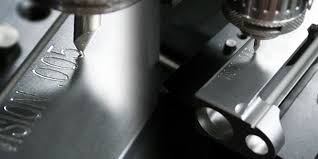
Metal engraving is an ancient and enduring craft, a meticulous process of incising designs, patterns, letters, or images onto the surface of metal. It transforms cold, hard material into a canvas for intricate artistry, functional marking, and enduring identification. More than just scratching the surface, it’s a discipline demanding precision, skill, and an intimate understanding…
Stainless steel sheet etching is a sophisticated subtractive manufacturing process that uses controlled chemical or electrochemical reactions to selectively remove material from the surface of stainless steel sheets, creating precise, intricate, and durable designs, markings, or functional features. It’s vital for industries demanding high precision, corrosion resistance, and aesthetic quality. Why Etch Stainless Steel? Precision & Complexity: Creates…
In the intricate world of modern manufacturing, particularly for electronics, sensors, medical devices, and precision engineering, the demand for complex, miniaturized, and burr-free metal components is ever-increasing. Metal Mask Etching Processing (also known as Photochemical Machining, PCM, or Chemical Etching) has emerged as a vital subtractive manufacturing technique that excels where traditional methods falter. This…
Etching a stainless steel tumbler allows you to personalize it with intricate designs, logos, or text. This process involves removing layers of metal to create permanent markings. Below is a detailed, step-by-step guide to achieve professional results safely and effectively. Materials Needed Stainless Steel Tumbler: Ensure it’s clean and free of coatings (e.g., powder-coated tumblers…
Metal etching is a precision manufacturing process that uses chemical or laser techniques to create intricate parts with high accuracy. Selecting the right manufacturer is critical for ensuring quality, reliability, and cost-effectiveness. This guide outlines key factors to consider when choosing a metal etching partner. 1. Understand Your Application Requirements Industry Needs: Different sectors have…
Precision etching is a cornerstone of microfabrication, essential in industries like semiconductors, microelectronics, and MEMS. Achieving high accuracy in etching requires meticulous preparation, with surface preparation emerging as the most critical step. This article explores why thorough surface cleaning and conditioning are indispensable before initiating precision etching. 1. Understanding Precision Etching Precision etching involves selectively removing material…
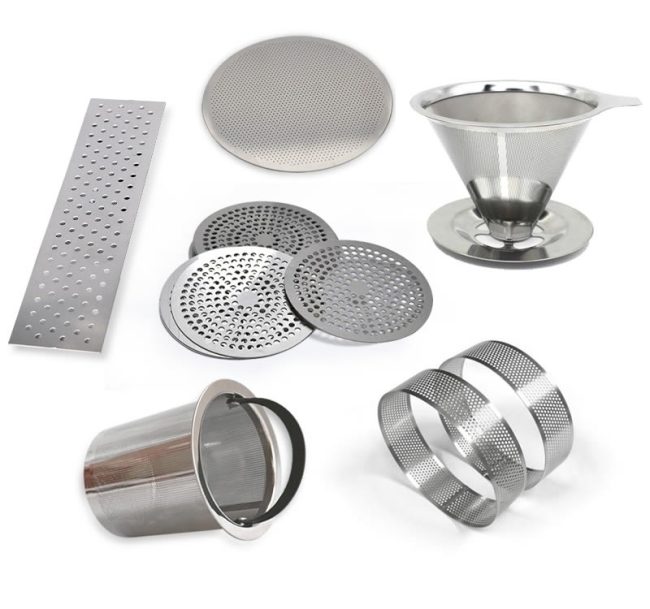
Micro hole machining, defined as creating holes with diameters less than 1 mm, is critical in industries like aerospace, medical devices, electronics, and semiconductors. Selecting the right method involves balancing material properties, hole specifications, cost, production needs, and environmental factors. This updated guide now includes etching as a key method, expanding its scope to cover both traditional…
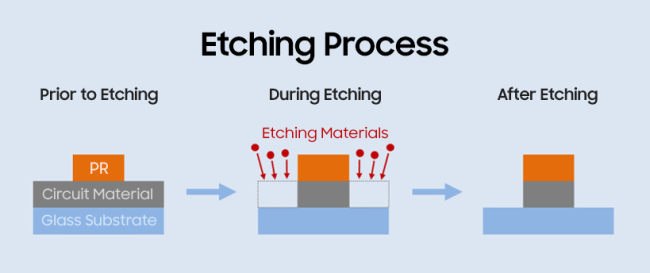
1. Introduction Etching is a critical manufacturing process used to selectively remove material from substrates, particularly in semiconductor fabrication, microelectromechanical systems (MEMS), and printed circuit boards (PCBs). The speed of etching, or etch rate, directly impacts process efficiency, precision, and final product quality. This article explores the role of etching speed, its influencing factors, and…