I am Jody Zhang, I graduated from Wuhan University in 2000. I am an automation engineer with 24 years of experience, in charge of writing content for Xinketching. I am willing use my experiences to create reliable and necessary metal etching information to help our readers. We welcome readers to engage with us on various topics related to metal manufacturing. Please feel free to share your thoughts and questions on these subjects with us. We look forward to hearing from you!

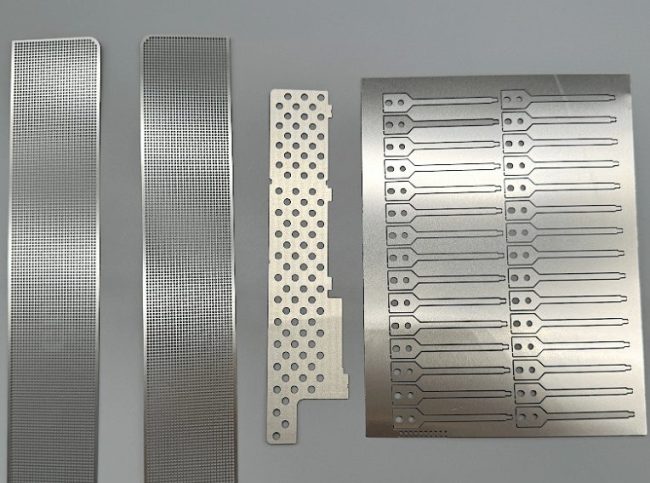
Metal etching is a subtractive manufacturing process that removes material from a metal surface to create intricate designs, markings, or functional components. It is widely used in industries like aerospace, electronics, jewelry, and automotive manufacturing, as well as by hobbyists for DIY projects. This guide explores the tools, methods, and best practices for successful metal etching. Types of Metal Etching There are three primary methods of metal etching, each requiring specialized tools: Chemical Etching Uses acidic or alkaline solutions to dissolve exposed metal. Ideal for precision designs on thin sheets (e.g., brass, copper, stainless steel). Laser Etching Employs high-powered lasers to vaporize metal surfaces. Perfect for high-speed, computer-controlled designs on hard metals. Mechanical Etching Relies on physical tools like engravers or CNC machines to carve patterns. Suitable for deep, tactile engravings on thicker metals. Essential Tools for Metal Etching The tools required depend on the etching method: 1. Chemical Etching Tools Etchant Solutions: Ferric Chloride: Common for copper, brass, and nickel. Nitric Acid: Used for stainless steel (requires extreme caution). Copper Sulfate: Safer alternative for beginners. Resist Materials: Vinyl Stickers/Transfer Tape: For masking designs. Photoresist Film: UV-sensitive film for detailed patterns. Nail Polish or Acrylic Paint: DIY resist for small projects. Applicators: Brushes, spray bottles, or immersion tanks. Neutralizers: Baking soda or specialized solutions to halt etching. 2. Laser Etching Tools Laser Etching Machine: Fiber Lasers: Best for metals like steel or titanium. CO2 Lasers: Suitable for coated metals. Design Software: Adobe Illustrator, CorelDRAW, or proprietary laser software. Ventilation System: To remove toxic fumes. 3. Mechanical Etching Tools Engraving Pens: Electric or pneumatic tools with diamond/carbide tips. CNC Machines: For automated, repeatable designs. Stencils: Reusable templates for consistent patterns. Step-by-Step Metal Etching Process Chemical Etching Design Preparation: Create a vector design using software. Print on vinyl or photoresist film. Metal Preparation: Clean the metal with alcohol or acetone to remove oils. Apply Resist: Transfer the design to the metal using heat (for photoresist) or adhesive. Etching: Immerse or brush the etchant onto exposed areas. Agitate for even results. Neutralize and Clean: Rinse with water, neutralize with baking soda, and remove the resist. Laser Etching Upload Design: Import the digital file into the laser software. Calibrate Settings: Adjust power, speed, and frequency based on metal type. Engrave: Let the laser etch the design automatically. Mechanical Etching Secure the Metal: Clamp the workpiece to prevent slippage. Engrave: Use steady hand pressure or program the CNC machine. Safety Considerations Chemical Etching: Wear nitrile gloves, goggles, and work in a ventilated area. Store acids in labeled, corrosion-resistant containers. Laser Etching: Use protective eyewear specific to the laser wavelength. Install fume extractors to avoid inhaling metal particles. General Tips: Keep a first-aid kit nearby for accidental exposure. Applications of Metal Etching Jewelry: Custom pendants, rings, and decorative elements. Electronics: PCB (printed circuit board) manufacturing. Industrial: Part serial numbers, logos, or anti-slip textures. Art: Detailed sculptures and wall art. Troubleshooting Common Issues Uneven Etching: Stir the etchant or adjust laser focus. Resist Peeling: Ensure the metal is clean before applying resist. Over-Etching: Reduce immersion time or dilute the etchant. FAQs Can I etch metal at home? Yes! Chemical etching is beginner-friendly with proper safety measures. Which metals are easiest to etch? Copper, brass, and aluminum etch quickly. Stainless steel requires stronger acids. How do I dispose of used etchant? Neutralize acids with baking soda and consult local hazardous waste guidelines. Conclusion Metal etching blends art and engineering, offering endless creative possibilities. Whether you’re a hobbyist or a professional, understanding the tools and techniques ensures precise, safe results. Start with small projects, prioritize safety, and experiment with different methods to master this versatile craft.

The Complete Guide to Metal Etching Tools: Techniques, Safety, and Applications

Metal etching is a subtractive manufacturing process that removes material from a metal surface to create intricate designs, markings, or functional components. It is widely used in industries like aerospace, electronics, jewelry, and automotive manufacturing, as well as by hobbyists for DIY projects. This guide explores the tools, methods, and best practices for successful metal…

Understanding Stainless Steel Sheets

Comprehensive Guide to Etching Solutions for Stainless Steel

Etching is a controlled corrosion process used to create designs, markings, or prepare stainless steel surfaces for further treatments. This technique is vital in industries ranging from aerospace to electronics, offering precision without mechanical stress. This article explores the types of etching solutions, processes, safety measures, and applications. Types of Etching Solutions 1. Ferric Chloride (FeCl₃)…

Metal Etching for Branding: Explain How Metal Etching Can Be Used for Logos and Branding on Products

Metal Etching for Branding: How Metal Etching Can Be Used for Logos and Branding on Products

In today’s fiercely competitive market, where consumers are constantly bombarded with choices, effective branding can be the difference between a product that stands out and fades into obscurity. A strong brand identity captures attention and fosters trust and loyalty among customers. As companies strive to create lasting impressions, the methods used to brand products have…

How To Choose Etching Services Companies In Philippines

Eco-Friendly Etching Practices: Discuss Sustainable Methods and Materials Used in The Etching Process

Did you know that traditional etching processes, often reliant on harsh chemicals, contribute significantly to environmental pollution? Acid etching, for example, not only generates toxic waste but also consumes large amounts of energy, leading to a considerable carbon footprint. As industries and consumers alike become more aware of environmental concerns, the demand for greener manufacturing…

Etching Techniques For Jewelry: Highlight Different Methods Of Etching For Creating Intricate Jewelry Designs

Etching Techniques For Jewelry: Highlight Different Methods Of Etching For Creating Intricate Jewelry Designs

Craftsmanship is the heart of jewelry design, where every detail speaks volumes about the artist’s skill and creativity. Among the many techniques that elevate jewelry to a form of wearable art, etching stands out for its ability to transform simple metal into intricate masterpieces. Whether it’s the delicate lines of a floral motif or the…

Etching In the Electronics Industry: Explore the Role of Etching in Creating Circuit Boards and Electronic Components

Etching In the Electronics Industry: Explore the Role of Etching in Creating Circuit Boards and Electronic Components

Etching is critical in the modern electronics industry, where precision and miniaturization are paramount. The global market for etching technology is projected to reach billions of dollars by the end of this decade, underscoring its importance in producing electronic devices. Etching, a process of removing material from a substrate to create intricate patterns, is indispensable…

Industrial Etching Solutions: What Are The Benefits Of Etching In Manufacturing And Industrial Applications?

Industrial Etching Solutions: What Are The Benefits Of Etching In Manufacturing And Industrial Applications?

In today’s competitive manufacturing landscape, precision is not just a luxury—it’s a necessity. A single error in the production process can lead to costly delays, compromised quality, and even safety concerns. This is where etching comes into play as a vital technique in industrial manufacturing, offering unparalleled accuracy and consistency across various applications. As industries…

What Is Silica Etching?

What Is Silica Etching?

Silica etching is a fundamental process with wide-ranging applications in various industries, from electronics to glass manufacturing. This article aims to understand silica etching comprehensively, how it works, and why it is crucial in today’s technological landscape. Have you ever wondered how the intricate patterns in semiconductor chips or the delicate designs in glass art…