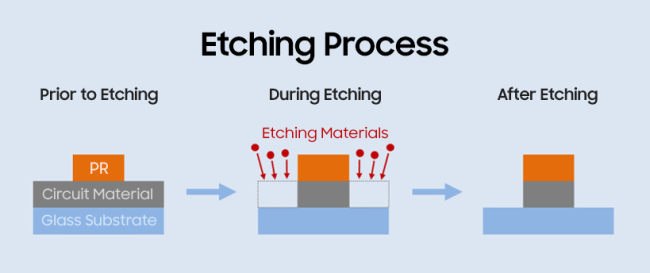
Metal Etching Process Control: Key Variables & Defect Prevention
Metal etching process-control guide covering chemistry, temperature, agitation, time, masking, material condition, defect prevention and inspection.


Metal etching process-control guide covering chemistry, temperature, agitation, time, masking, material condition, defect prevention and inspection.
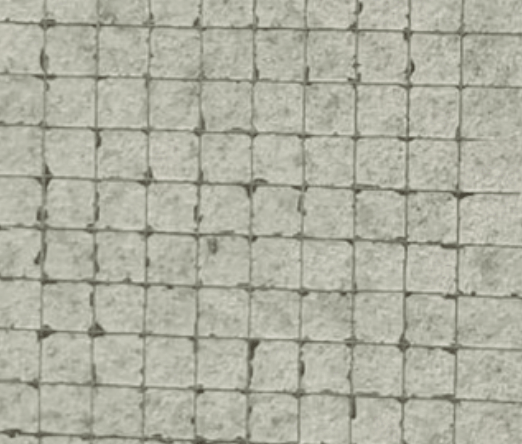
Etching is a subtractive manufacturing process used to selectively remove material from a substrate using chemicals, plasma, or other agents. A critical component of etching is the anti-etching layer ( or resist) , which protects specific regions of the material from being etched. The scratching method is a manual, low-tech technique historically used to pattern this protective…

Etching technology, pivotal in industries like semiconductors, printed circuit boards (PCBs), and metalworking, involves removing material layers using chemicals or plasma. The process demands materials that withstand harsh environments, including alkalis ( e.g., NaOH, KOH) and corrosive agents (e.g., acids, plasmas). This article explores materials resistant to these conditions, their applications, and selection criteria. Corrosive…

In microfabrication and semiconductor manufacturing, the anti-etching layer ( or etch mask) is critical for selectively protecting regions of a substrate during etching. This layer must meet stringent requirements to ensure precise pattern transfer, durability, and compatibility with complex processes. Below, we explore the key requirements for effective anti-etching layers, material considerations, and process integration…

Brass etching is a technique used to create intricate designs on brass surfaces by selectively removing material with chemicals. Pretreatment is critical to ensure the metal is free of contaminants that could hinder etching. This guide details the steps, safety measures, and best practices for effective brass pretreatment. Safety Precautions Personal Protective Equipment (PPE): Gloves, goggles,…

Aluminum alloy etching pretreatment guide covering cleaning, etching, desmutting, activation and the process variables that affect surface consistency.

Pre-etch quality checklist for material identity, thickness, surface condition, drawing revision, resist readiness, equipment control, inspection, and traceability.
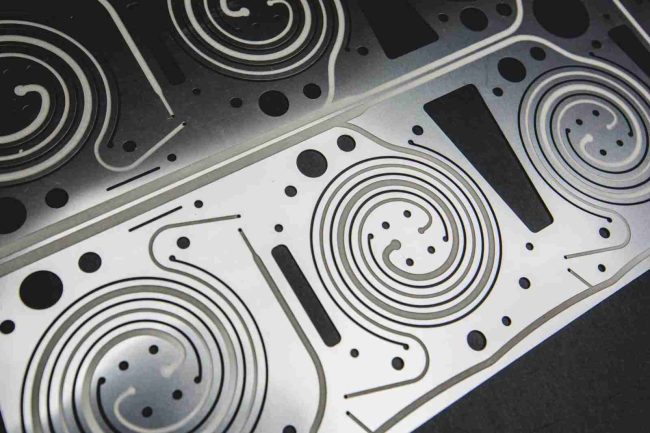
Learn how to calculate etching time from etch depth and etch rate, then adjust for temperature, chemistry, undercut, loading and mask performance before production.
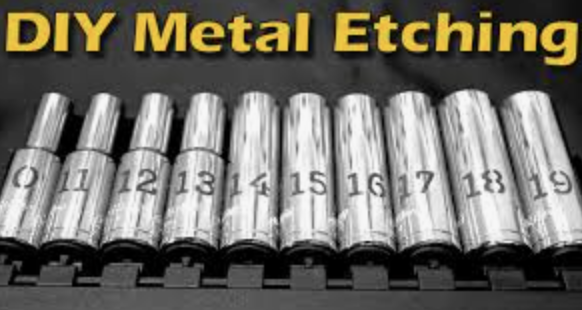
Etching socket tools is a practical and creative way to customize, label, or brand metal sockets for identification or aesthetic purposes. This guide explores various etching methods, safety precautions, and step-by-step instructions to achieve professional results. 1. Introduction to Etching Socket Tools Socket tools, typically made of chrome vanadium steel or alloy steel, are used…
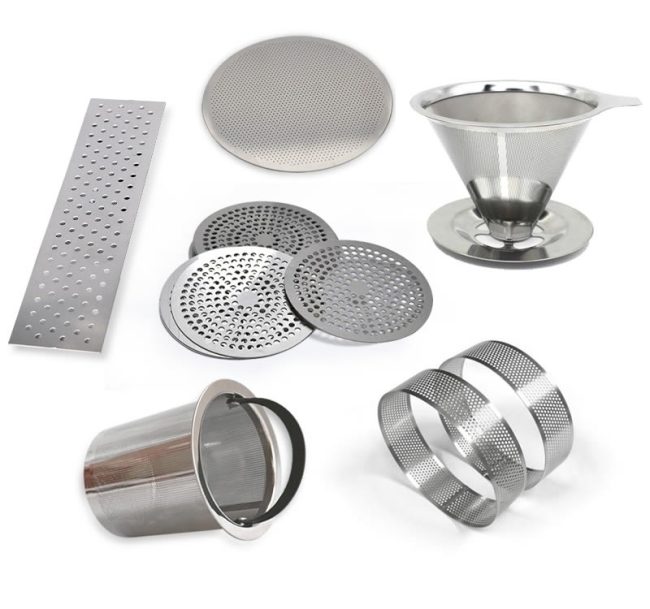
Photo metal etching service guide covering process flow, materials, DFM considerations and drawing-review inputs for precision thin-metal parts.
WhatsApp us