I am Jody Zhang, I graduated from Wuhan University in 2000. I am an automation engineer with 24 years of experience, in charge of writing content for Xinketching. I am willing use my experiences to create reliable and necessary metal etching information to help our readers. We welcome readers to engage with us on various topics related to metal manufacturing. Please feel free to share your thoughts and questions on these subjects with us. We look forward to hearing from you!
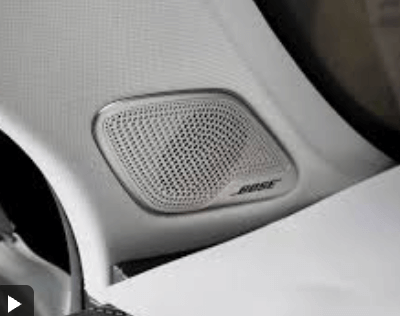
The car horn mesh is a critical component that protects internal parts while ensuring sound transmission. Selecting the right processing method requires balancing design, material, cost, and durability. This guide explores key factors and methods, including metal etching, to inform your decision. 1. Key Considerations Material Selection Common Materials: Stainless steel (corrosion resistance), aluminum (lightweight), galvanized…
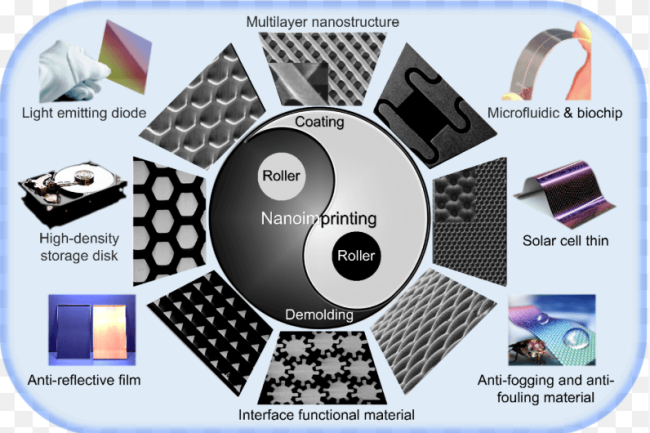
Roll-to-roll (R2R) continuous etching is a transformative manufacturing technique enabling high-throughput, cost-effective patterning of flexible substrates. Essential for industries like flexible electronics, energy, and sensors, this guide explores the intricacies of R2R etching, from system components to emerging trends. 1. Components of an R2R Etching System Unwinding/Rewinding Modules: Precision tension control ensures smooth substrate handling.…
Chemical etching is a precision manufacturing process that uses acid or alkaline solutions to selectively remove material, creating intricate metal components. It’s ideal for industries like aerospace, electronics, automotive, and medical devices due to its ability to produce complex geometries without altering material properties. Advantages of Sourcing from China Cost-Effectiveness: Competitive labor and material costs.…
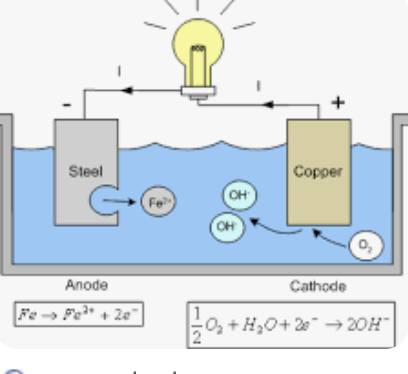
Corrosion, the degradation of metals due to environmental interactions, occurs through two primary mechanisms: chemical corrosion and electrochemical corrosion. Understanding their differences is crucial for effective material selection and corrosion prevention. Below is a structured comparison of these processes. 1. Definitions Chemical Corrosion: A direct reaction between a metal and corrosive substances (e.g., gases, liquids) without requiring an electrolyte…
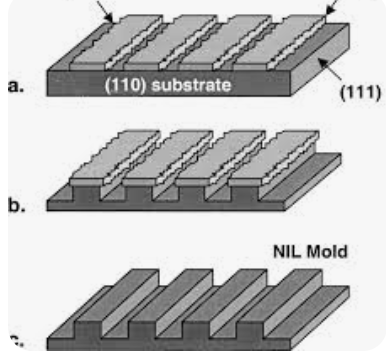
Metal etching is a subtractive manufacturing process used to create intricate designs, textures, or functional features on metal surfaces. When applied to mold-making, etching enables the production of high-precision molds for applications such as injection molding, embossing, or microfluidic devices. This guide provides a detailed overview of the materials, steps, and considerations involved in etching…
Zinc alloys, renowned for their durability, corrosion resistance, and cost-effectiveness, are widely used in industries such as automotive, electronics, and consumer goods. Chemical etching, a subtractive manufacturing process, offers precise and efficient shaping of these alloys. This article delves into the intricacies of zinc alloy chemical etching, exploring its process parameters, characteristics, applications, challenges, and…
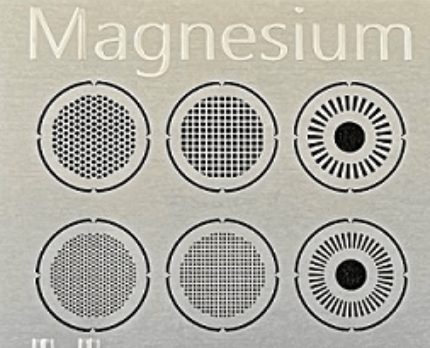
Magnesium (Mg) alloys are prized in industries like aerospace, automotive, and electronics for their exceptional strength-to-weight ratio and durability. However, their high reactivity and susceptibility to corrosion necessitate precise surface treatments. Chemical etching, a process using controlled chemical reactions to remove material, is critical for preparing Mg alloys for further applications. This article explores the…
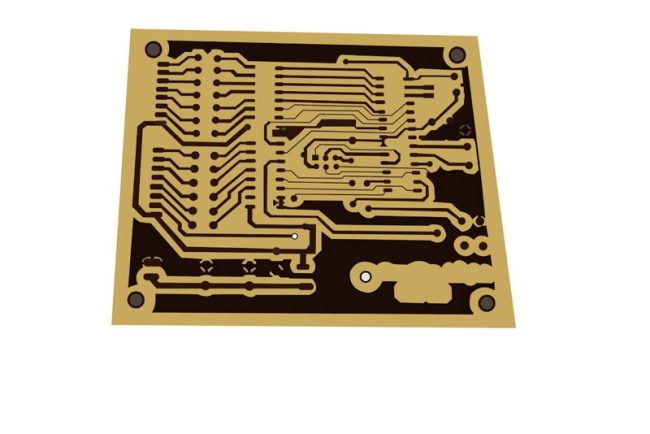
Printed Circuit Boards (PCBs) are essential in modern electronics, providing a platform for component interconnection. A critical step in PCB manufacturing is etching, where unwanted copper is removed to form conductive pathways. This process relies on chemical solutions known as etching solutions. This article explores their composition, types, processes, safety, and environmental considerations. 1. What…
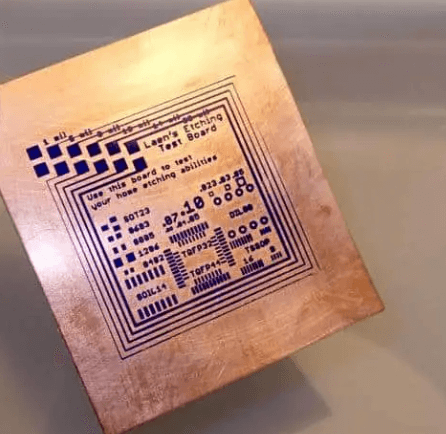
Circuit board etching is a critical step in PCB manufacturing, involving the removal of excess copper to create conductive pathways. This guide explores various etching techniques, from traditional chemical methods to modern mechanical processes, providing insights into their applications, advantages, and limitations. 1. Chemical Etching Methods Chemical etching uses reactive solutions to dissolve unprotected copper.…
Engineering guide to copper chemical etching covering etch rate, undercut, surface finish, process control, material behavior, applications, and drawing-specific DFM review.