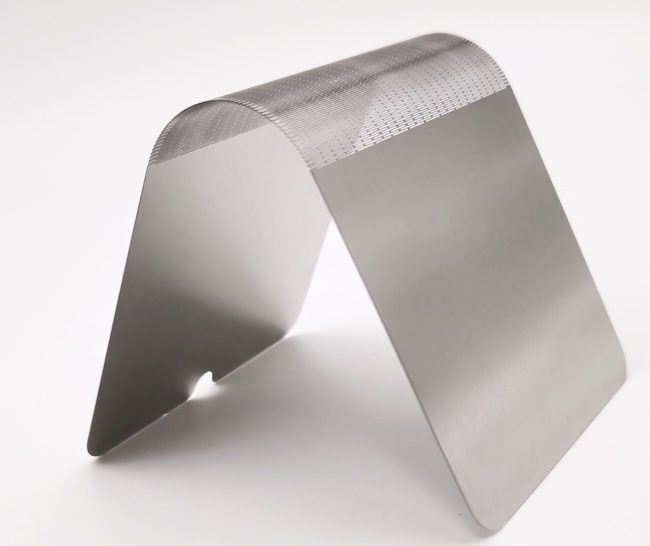
Micro-Patterned Titanium Holes for Foldable Displays
Can micro-patterned holes be photo etched into a foldable-display titanium plate? Review thickness, opening size, pitch, web width and DFM limits before choosing the process.


Can micro-patterned holes be photo etched into a foldable-display titanium plate? Review thickness, opening size, pitch, web width and DFM limits before choosing the process.
[vc_row][vc_column][vc_column_text css=""] Chemical Concentration Calculator Solute Mass: mg g kg Solution Volume: mL L µL Molecular Weight (optional, g/mol): Result w/v %: 1.00 % g/L: 10.00 g/L mg/mL: 10.00 mg/mL Molarity: 0.1711 mol/L (171.11 mmol/L) Concentration Formula Illustration Solvent + Solute= SolutionC = m / VM = m / (MW × V)(mol/L)Volume (V) = 1…
Estimate chemical etching cost from part size, thickness, quantity, material and setup inputs, then review the key factors that affect real production pricing.
Surface Area Calculator for Plating Cost 📐 Input Parameters Length (L): mmcminch Width (W): Thickness (T): Quantity (pcs): Plating Rate ($ / m²): 📊 Calculation Results Surface Area / piece: — cm² Total Surface Area: — cm² 💰 Total Plating Cost: — 📐 Surface Area Formula Diagram L (Length)WTSurface Area = 2 × (L×W +…
Etch Rate Calculator Calculate etch rate from thickness, time & temperature (Arrhenius compensation) Input Parameters Etched ThicknessnmμmÅ Etch Timeminsechour Process Temperature (°C) Reference Temperature (°C) — for normalized rate Activation Energy Ea (eV) Calculated Etch Rate Etch Rate (at process T):50.00 nm/min Normalized to Ref T:50.00 nm/min In μm/min:0.0500 μm/min In nm/sec:0.833 nm/s Etch Process…
Estimate chemical etching tolerance from material thickness, then review the DFM factors that affect real capability: alloy, geometry, etch depth and inspection requirements.
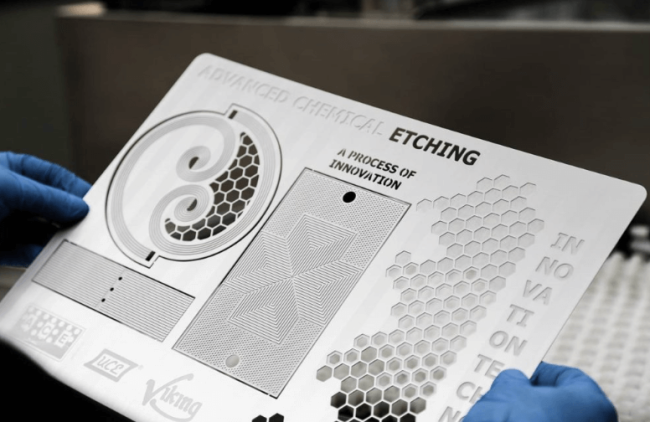
Metal etching guide for engineers covering process selection, materials, tolerances, DFM, applications and when photochemical etching is the right choice.
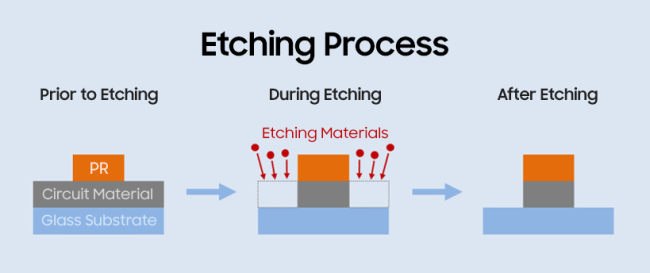
What is the Most Common Etch? Nitric acid and ferric chloride are the most common etching solutions. Nitric acid works on copper, zinc, and steel plates, while ferric chloride specifically targets copper. Traditional Acid Solutions Artists typically dilute nitric acid to 1:3 ratio with water for copper plates. Printmaking studios like Crown Point Press in…
Yes, etching is generally more cost-effective than engraving. This difference stems from various factors, including labor costs, equipment expenses, production volume considerations, and the materials and designs involved. Labor and Time: A Key Cost Driver Engraving is a labor-intensive process, demanding skilled craftsmanship and significant manual intervention. Engravers must meticulously operate machinery and oversee the…
Metal engraving plays a crucial role in various industries, including automotive, aerospace, and consumer electronics. In Vietnam, the demand for high-quality metal engraving services has been growing rapidly due to the country’s expanding manufacturing sector. This article provides a comprehensive list of the top 6 metal engraving factories in Vietnam, helping businesses make informed decisions…
WhatsApp us