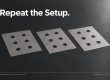
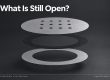
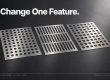
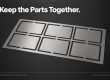
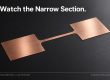
Photo-etched air filter screens are thin metal components used as protective meshes, pre-filters, support layers, airflow distribution screens, and debris barriers inside air-handling equipment. They should not be confused with HEPA or activated-carbon media: the etched metal part is normally engineered for aperture geometry, open area, airflow, mechanical protection, cleanability, and integration with the complete filtration system.
For OEM development, the key inputs are the metal grade, sheet thickness, hole or slot pattern, open-area ratio, overall dimensions, forming requirements, mounting features, cleaning method, and the pressure or airflow conditions around the part. This guide focuses on those design and manufacturing considerations.
Understanding Air Purification
Importance of Indoor Air Quality
Indoor air quality significantly affects our health and comfort. Poor indoor air quality is linked to respiratory issues, allergies, and long-term health problems such as cardiovascular disease. With people spending more time indoors, ensuring clean air has become crucial.
Role of Air Purifiers
Air purifiers are devices that remove pollutants, allergens, and other contaminants. They work by drawing in air, passing it through various filtration systems, and releasing cleaner air into the environment. This process helps reduce airborne particles, odors, and harmful gases, improving indoor air quality.
Types of Air Purifier Filters
Air purifiers employ different types of filters to trap and eliminate various pollutants. Common filter types include:
- HEPA Filters: Highly efficient at capturing particles as small as 0.3 microns, including pollen, dust mites, and pet dander.
- Carbon Filters: Effective in removing odors, gases, and volatile organic compounds (VOCs) from the air.
- Etched Filters : A newer technology that utilizes etching techniques to enhance filter performance and durability, offering improved filtration efficiency and longevity.
What are Etched Filters?
Etched filters are advanced filtration components used in air purifiers to enhance air quality by effectively trapping microscopic particles and contaminants. They are manufactured using precision etching techniques that create intricate patterns on the filter material, optimizing airflow and filtration efficiency.
Technology Behind Etched Filters
The etching process involves selectively removing material from the filter substrate to create precise patterns, such as microchannels or intricate geometries. This patterned structure not only increases the filter’s surface area but also improves the uniformity of airflow through the filter media. As a result, etched filters can achieve higher filtration efficiency while maintaining lower air resistance than traditional flat filters.
Advantages
Etched filters offer several advantages over traditional filters:
- Enhanced Filtration Efficiency : The structured surface of etched filters enhances particle capture efficiency, reducing allergens, dust, and pollutants in the air.
- Improved Airflow: Etched filters allow air purifiers to operate more efficiently and quietly by reducing resistance to airflow.
- Durability : The etching process increases the durability and longevity of the filter, making it less prone to damage or degradation over time.
- Reduced Maintenance: Due to their efficient design, etched filters may require less frequent replacement than traditional filters, reducing maintenance costs.
How Etched Filters Work
Filtration Mechanism
A photo-etched metal screen works primarily through its defined openings and open-area geometry. Depending on the design, it can block larger debris, protect downstream media, distribute airflow, support another filter layer, or provide a washable first-stage screen. Particle-capture performance is determined by the actual aperture size and complete filter architecture; an etched metal screen should not be presented as a substitute for HEPA or activated-carbon media unless the complete system has been tested for that function.
Efficiency and Effectiveness
For engineering selection, evaluate pressure drop, airflow uniformity, aperture geometry, open area, mechanical strength, cleanability, and how the screen works with the downstream filtration media. The etched part’s value is precise, repeatable metal geometry and integration—not a generic claim of higher filtration efficiency than every other filter type.
Applications
Etched filters find applications in various environments where clean air is essential:
- Residential Settings: Ideal for homes, apartments, and bedrooms to reduce allergens and improve breathing conditions.
- Commercial Buildings: Used in offices, schools, and healthcare facilities to maintain clean and healthy indoor air for occupants.
- Industrial Use: Applied in manufacturing facilities and clean rooms where air quality standards are stringent, and particle control is critical.
Benefits of Using Etched Filters
Improved Air Quality
Etched filters significantly contribute to cleaner indoor air by effectively capturing various pollutants, including allergens, dust, pet dander, and airborne bacteria. Their enhanced filtration efficiency ensures that the air circulating in the room is purified to a higher standard, promoting better respiratory health and overall well-being.
Longevity and Durability
One critical advantage of etched filters is their durability and extended lifespan. The precision etching process strengthens the filter material, making it more resistant to wear and tear than traditional filters. This durability translates into fewer replacements over time, reducing maintenance costs and ensuring consistent air purification performance.
Cost-effectiveness
While initial costs for air purifiers equipped with etched filters may be slightly higher than those with conventional filters, their long-term cost-effectiveness is undeniable. The extended lifespan and reduced maintenance requirements of etched filters result in lower overall operating costs. Additionally, the improved energy efficiency of air purifiers using etched filters can lead to savings on electricity bills.
Choosing the Right Air Purifier with Etched Filters
Factors to Consider
When selecting an air purifier with etched filters, consider the following factors:
- Room Size: To ensure optimal air purification efficiency, choose a cleaner suitable for the room size or area where it will be used.
- CADR Rating: Look for a Clean Air Delivery Rate (CADR) that matches the room’s size and the level of air purification required.
- Additional Features: Evaluate noise levels, filter replacement indicators, and energy efficiency to meet specific preferences and needs.
Popular Brands and Models
Several reputable brands offer air purifiers equipped with etched filters:
- Brand A: Known for innovative technologies and high-performance air purifiers suitable for large spaces.
- Brand B: Offers compact models with advanced filtration systems, ideal for smaller rooms or offices.
- Brand C: Focuses on energy-efficient designs and user-friendly features that enhance convenience and effectiveness.
User Reviews and Feedback
User experiences and feedback can provide valuable insights into the performance and reliability of air purifiers with etched filters. Positive reviews often highlight improved air quality, quiet operation, and effective allergen reduction. Negative feedback may address issues like filter replacement costs or specific operational quirks.
Maintenance and Care
Cleaning Instructions
To maintain optimal performance of etched filters:
- Regular Vacuuming: Use a soft brush attachment to gently vacuum the surface of the filter to remove dust and debris.
- Washing (if applicable): Follow manufacturer instructions for washing or rinsing the filter periodically to remove accumulated particles.
- Avoid Harsh Cleaning Agents: Use mild detergent or water as recommended; avoid harsh chemicals that could damage the filter material.
Replacement Guidelines
Knowing when to replace etched filters is crucial for continued efficiency:
- Follow Manufacturer’s Recommendations: Replace filters according to the manufacturer’s guidelines, typically every six months to 1 year, depending on usage and environmental conditions.
- Monitor Filter Condition: Check the filter regularly for signs of wear or reduced performance, such as decreased airflow or lingering odors.
Troubleshooting Tips
Common issues with etched filters in air purifiers may include:
- Reduced Airflow: Check for clogs or blockages in the filter; clean or replace as necessary.
- Unusual Noise: Inspect the filter and surrounding components for loose fittings or obstructions that could cause noise during operation.
- Clean the filter or replace it if persistent odors persist after regular maintenance.
Conclusion
Photo-etched air filter screens are best evaluated as engineered metal components within a larger air-filtration assembly. The drawing should define the metal, thickness, aperture pattern, open area, critical dimensions, forming or mounting features, and the intended role of the screen relative to downstream filter media.
Send Xinketching the screen or filter-plate drawing for a DFM review. We can assess the geometry for photochemical etching, identify features that may affect airflow or manufacturability, and confirm the production approach before prototype or volume production.

- Etching Titanium: When the Weight or the Chemistry Earns It - October 24, 2026
- Etching Copper and Brass: What Changes vs Stainless Steel - October 23, 2026
- Etching Stainless Steel: 304 vs 316L vs 301 for Etched Parts - October 22, 2026