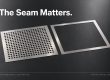
Photo-etched hair dryer filters are thin metal intake screens or protective meshes used to keep larger debris away from the fan and heating system while maintaining the airflow required by the appliance. For OEM development, the filter should be treated as an engineered component rather than a decorative accessory: material, sheet thickness, aperture geometry, open area, overall shape, formed profile, attachment features and cleaning method all affect performance and manufacturability. This guide focuses on the design and photochemical-etching considerations for custom hair dryer filter screens.
Understanding Hair Dryer Filters
Hair dryer filters are essential for maintaining the device’s performance and safety. They trap dust, lint, and hair particles, preventing them from entering the motor and causing damage or overheating. Filters come in various types, including mesh and foam. Mesh filters are often made from metal or plastic and provide a durable, reusable option, while foam filters are lightweight and can be easily replaced. Each type of filter maintains efficient airflow and protects the hair dryer’s internal components, ensuring optimal functionality and extending the appliance’s lifespan.
Benefits of Photo-Etched Hair Dryer Filters
Photochemical etching allows the aperture pattern, open area, outline and mounting details to be produced in the same thin metal blank without hard punching tools. This is useful for compact appliance designs where the intake screen must balance airflow, debris protection, mechanical stiffness and available space. The process also supports rapid design revisions during product development. Final airflow and thermal performance, however, depend on the complete hair dryer system and should be validated by the appliance manufacturer rather than inferred from the mesh pattern alone.
OEM Design Inputs for an Etched Filter
Before manufacturing, the supplier should receive a controlled drawing or CAD file rather than a hand-cut stencil. Important inputs include:
- Filter Material: Specify the required metal grade and any surface-finish requirement.
- Sheet Thickness: Use the production thickness specified by the appliance design.
- Aperture Pattern: Define hole or slot shape, pitch, open area and any zones with different patterns.
- Outer Geometry: Include the finished outline, locating features, tabs, notches and mounting points.
- Secondary Operations: Identify forming, coating, joining or other operations required after etching.
The complete filter should then be reviewed against the intake geometry and airflow requirements of the hair dryer before production release.
Manufacturing Flow for a Custom Etched Filter
Material Preparation
The metal sheet is cleaned and prepared so the photoresist can bond uniformly. Surface contamination at this stage can later appear as incomplete openings, resist lift or irregular edges, so pretreatment is part of dimensional control rather than only a cleaning operation.
Artwork and Photoresist Patterning
The approved CAD pattern is converted into production artwork. Photoresist is applied to the prepared sheet, exposed through the pattern and developed so the metal that must be removed is accurately defined. Pattern compensation may be required depending on material thickness and feature geometry.
Photochemical Etching
The patterned sheet is processed in a controlled etching line so the exposed metal is removed while the protected areas remain. Etchant condition, temperature, spray or agitation, exposure time and pattern density all influence dimensional repeatability. After the required geometry is reached, the resist is stripped and the sheet is thoroughly rinsed.
Inspection and Secondary Operations
After etching, the filter is inspected for aperture definition, outline geometry, surface condition and any critical dimensions identified on the drawing. Required secondary operations may include forming, coating, cleaning or assembly features. The finished component should then be validated in the appliance for fit, airflow and thermal performance.
Following these steps, you can create custom-etched designs on your hair dryer filter, enhancing its functionality and aesthetic appeal.
Tips and Tricks
Choose simple, bold designs for precise, crisp results for successful custom etching. When applying etching cream, ensure it covers all areas evenly to prevent patchy etching. Use painter’s tape to secure the stencil firmly, avoiding any movement that might blur the design. After etching, rinse the filter thoroughly to remove all residue. For maintenance, clean the etched filter regularly with a soft brush to prevent buildup and ensure optimal performance. Avoid harsh chemicals that could damage the etched design.
Common Mistakes to Avoid
Avoid improper cleaning before etching; residue can affect the etching process. Ensure the filter is completely dry before starting. Do not rush the etching cream application—uneven coverage leads to inconsistent designs. Follow the recommended etching time precisely; too short or too long can result in incomplete or over-etched designs. Always use proper protective gear to avoid skin and eye irritation from the etching cream.
Advanced Customization Techniques
For advanced customization, try multi-layer etching. Start with a base design, etch it, and then add layers with different stencils to create depth and complexity. You can also experiment with adding color to your etched filter. After etching, use heat-resistant paint or dye to color the design, ensuring the filter material can handle the added treatment. These techniques allow for more intricate and personalized designs, making your hair dryer filter unique.
Conclusion
A photo-etched hair dryer filter should be designed around the appliance intake and thermal system. Material, thickness, aperture pattern, open area, formed profile, attachment features and cleaning requirements should be reviewed together, and final airflow performance should be validated in the complete appliance.
Send Xinketching the filter-screen drawing and application requirements for a DFM review. We can assess the mesh geometry for photochemical etching, identify features that may affect manufacturability and confirm the production approach before prototype or volume production.

- What Can a Pilot Lot Actually Prove About Etched-Part Repeatability? - October 9, 2026
- How Much Open Area Remains After an Acoustic Mesh Is Assembled? - October 8, 2026
- How Do You Compare Etched Prototypes Without Losing Track of the Design? - October 7, 2026