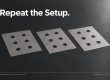
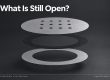
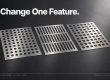
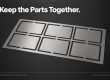
Coffee maker etched filters are reusable thin-metal components used to control coffee-ground retention, liquid flow, distribution, and cleaning behavior in brewing systems. In OEM development, the filter should be specified as an engineered part: material grade, sheet thickness, hole or slot geometry, open area, overall shape, forming, joining, and interface dimensions all affect performance and manufacturability.
This guide explains how photochemical etching is used to manufacture coffee filters and related brewer components, and what product engineers should define before requesting prototypes or production parts.
What are Etched Filters?

Etched filters are made from stainless steel or similar durable materials, featuring delicate, precise holes created through a photochemical etching process. This method ensures uniform hole size and distribution, crucial for consistent brewing results. The holes in etched filters are designed to allow coffee oils to pass through while trapping grounds, enhancing the flavor profile of the coffee.
Etched filters are reusable and eco-friendly, reducing waste compared to paper filters. Paper filters can absorb coffee oils, leading to a less flavorful brew, whereas etched filters allow these oils to pass through, resulting in a richer taste. Cloth filters, while also reusable, require more maintenance and can retain flavors from previous brews. Metal filters, like etched ones, are durable and provide a robust flavor, but etched filters typically have more precise hole patterns, leading to better filtration and a cleaner cup.
Benefits of Using Etched Filters
Enhanced Flavor
Etched filters enhance the flavor of your coffee by allowing essential oils to pass through while trapping acceptable grounds. This results in a richer, fuller taste than paper filters, which can absorb these oils and diminish the coffee’s natural flavors.
Sustainability
Etched filters are reusable, making them an eco-friendly alternative to disposable paper filters. By reducing the amount of waste produced, they contribute to a more sustainable coffee brewing process, aligning with environmentally conscious practices.
Cost-Effectiveness
While etched filters may have a higher upfront cost compared to disposable paper filters, they offer significant savings in the long run. Their reusable nature eliminates the need for continuous purchases of disposable filters, making them a cost-effective investment for frequent coffee drinkers.
Durability and Maintenance
Made from high-quality stainless steel or similar materials, etched filters are highly durable and can withstand repeated use. They require minimal maintenance, typically needing only a quick rinse after each use and occasional deep cleaning, making them a convenient option for daily coffee brewing.
Types of Coffee Makers Compatible with Etched Filters
Drip Coffee Makers
Etched filters are compatible with many drip coffee makers, fitting seamlessly into the filter baskets. They enhance the brewing process by allowing more oils and flavors to pass through, producing a richer cup of coffee without needing paper filters.
Pour-Over Coffee Makers
Pour-over coffee makers benefit significantly from the use of etched filters. The precision holes in these filters ensure a consistent flow rate and extraction, allowing for better control over brewing and producing a clean, flavorful cup of coffee.
Espresso Machines
Some espresso machines are compatible with etched filters, particularly those designed for a more manual approach to espresso brewing. These filters can enhance the extraction process by allowing the espresso’s rich oils to contribute to a fuller-bodied shot.
French Press and Other Methods
Etched filters can also be used in French presses and other brewing methods like AeroPress. They provide a clean filtration process, reducing the amount of sediment in the final cup while allowing the coffee’s natural oils to enhance the flavor profile. Their versatility makes them a valuable addition to various brewing setups.
How to Choose the Right Etched Filter
Material and Design
Choose etched filters made from high-quality stainless steel for durability and resistance to rust. The design should feature uniformly sized and precisely etched holes to ensure optimal filtration and coffee extraction.
Compatibility with Coffee Maker
Ensure the filter is compatible with your specific coffee maker model. Check the filter’s size and shape against the specifications of your machine to ensure a proper fit.
Brand and Quality
Opt for reputable brands known for producing high-quality etched filters. Look for reviews and ratings to gauge customer satisfaction and product performance. Brands with certifications or endorsements are often more reliable.
Price and Value
While initial costs might be higher, consider the long-term savings and benefits. Compare prices among different brands and models, considering the filter’s durability and performance. A slightly higher investment can yield better results and longevity.
Installation and Usage Tips
Installation Steps
Insert the etched filter into the coffee maker’s filter basket, ensuring it fits snugly and securely.
Brewing Tips
Use a medium grind size with etched filters for optimal extraction. Adjust the water temperature to around 195-205°F (90-96°C) for best results. Experiment with coffee-to-water ratios to find your preferred strength and flavor.
Maintenance Routine
Rinse the filter thoroughly after each use to remove coffee grounds. Perform a deep clean periodically by soaking the filter in a solution of water and mild dish soap or using a mixture of water and vinegar.
Troubleshooting Common Issues
Clogging
Use the appropriate grind size and avoid overly fine grinds to prevent clogging. If clogging occurs, soak the filter in warm water and gently scrub with a soft brush to clear the holes.
Wear and Tear
To maintain optimal performance, regularly inspect the filter for signs of wear, such as fraying or enlarged holes. If it shows significant damage, replace it.
Impact on Coffee Taste
If the coffee tastes off, ensure the filter is clean and free of old coffee residues. Experiment with different grind sizes and brewing parameters to achieve the desired flavor.
Conclusion
For OEM coffee-maker filters, the correct etched pattern depends on the brewer architecture and target flow behavior rather than on a generic “best” mesh. The engineering drawing should define the material, thickness, hole or slot pattern, critical dimensions, forming requirements, and how the filter will be retained or sealed in the assembly.
Send Xinketching the filter drawing or CAD file for a DFM review. We can assess the geometry for photochemical etching and confirm the practical manufacturing approach before prototype or production.

- Etching Titanium: When the Weight or the Chemistry Earns It - October 24, 2026
- Etching Copper and Brass: What Changes vs Stainless Steel - October 23, 2026
- Etching Stainless Steel: 304 vs 316L vs 301 for Etched Parts - October 22, 2026