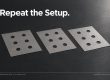
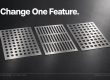
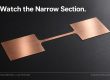
Photo-etched vacuum filter covers are thin metal protective screens or pre-filter components used to protect downstream filter media, distribute airflow and keep larger debris away from the fan or filter assembly. In OEM development, the etched metal cover should be treated as part of the airflow and filtration system—not as a decorative consumer accessory. Material, sheet thickness, aperture pattern, open area, overall geometry, formed features, mounting points and cleaning requirements all affect fit and performance.
This guide focuses on the engineering and photochemical-etching considerations for custom vacuum cleaner filter covers and protective meshes.
Understanding Etched Filter Covers
An etched filter cover is a thin patterned metal component positioned around or ahead of the main vacuum filtration media. Photochemical etching creates repeatable holes, slots or mesh geometry without mechanical punching forces. The cover can protect softer filter media, block larger debris, provide structural support and help distribute airflow. Fine-particle and allergen capture, however, depends on the downstream filter media and complete vacuum system; the metal cover should not be described as a replacement for HEPA or other rated filtration elements.
Advantages
- Controlled Aperture Geometry: Photochemical etching provides repeatable openings and pattern density for an engineered balance of debris protection and airflow.
- Durability: Metal covers can provide a robust, cleanable protective layer for the downstream filter assembly when the material and finish are selected for the operating environment.
- Design Integration: The same etched blank can include functional mesh areas, solid zones, tabs, mounting holes and custom outlines that fit the vacuum housing and assembly method.
Choosing the Right Etched Filter Cover


Material Options
When selecting an etched filter cover, the material is a critical consideration. The most common materials used for etched filter covers include:
● Stainless Steel
Known for its strength, corrosion resistance, and longevity, stainless steel is a popular choice for etched filter covers. It is easy to clean and maintain, making it ideal for long-term use.
● Aluminum
Another excellent option is aluminum. Lightweight and resistant to rust, aluminum is slightly less durable than stainless steel but offers good performance and is easier to handle due to its lower weight.
● Other Metals
Other metals, like brass or copper, can also be used depending on specific needs. These materials may offer unique aesthetic qualities but may not provide the same level of durability as stainless steel or aluminum.
Design Considerations
The design of the etched filter cover significantly impacts both its functionality and aesthetic appeal. When choosing a design, consider the following factors:
Hole Size
The size of the holes in the filter cover determines what particles can be trapped. Smaller holes are better for capturing fine dust and allergens, while larger holes may be more suitable for general cleaning tasks.
Pattern
The pattern of the etching affects airflow and filtration efficiency. Intricate patterns can enhance the visual appeal but must be designed to ensure optimal performance.
Customization Options
Many manufacturers offer customization services where users can specify the design pattern and even add personal touches like logos or names. This allows for a unique and personalized vacuum cleaner component.
Compatibility
It is crucial to choose an etched filter cover that is compatible with your specific vacuum cleaner model. Compatibility ensures that the filter cover fits perfectly and functions as intended. When selecting a filter cover, consider:
Model Specifications
Check the dimensions and specifications of your vacuum cleaner’s existing filter cover. Ensure that the new etched filter cover matches these specifications.
Manufacturer Recommendations
Some vacuum cleaner manufacturers provide recommendations for compatible accessories and parts. Refer to these guidelines to find a suitable etched filter cover.
Custom Fit Options
If a standard size is not available, many manufacturers offer custom-fit options. Provide the necessary measurements and details to have a filter cover made specifically for your vacuum cleaner.
Choosing the right etched filter cover involves careful consideration of material, design, and compatibility to ensure that it enhances the performance and aesthetics of your vacuum cleaner.


Customization Process
Measuring the Existing Cover
- Gather Tools: You will need a ruler or measuring tape, calipers for precise measurements, and a notepad to record dimensions.
- Remove the Existing Cover: Carefully remove the current filter cover from the vacuum cleaner.
- Measure Dimensions: Measure the length, width, and thickness of the existing cover. Note any unique features, such as screw holes or notches.
- Record Measurements: Write down all measurements accurately. Double-check to ensure precision.
Selecting the Design
- Consider Functionality: Ensure that the design allows for optimal airflow and filtration. Avoid overly complex patterns that could hinder performance.
- Aesthetic Preferences: Choose a design that reflects your style. Look for patterns that complement the overall look of your vacuum cleaner.
- Customization Options: Many manufacturers offer custom design services. You can provide your design or choose from available templates.
Choosing the Material
- Durability Needs: Select a material based on the expected usage. Stainless steel is highly durable and corrosion-resistant, while aluminum is lighter and easier to handle.
- Maintenance: Consider how easy the material is to clean and maintain. Stainless steel is easy to clean and resists staining.
- Cost: Evaluate the cost of different materials. Stainless steel may be more expensive than aluminum, but it offers greater longevity.
Tools and Materials Needed
- Ruler or measuring tape
- Calipers
- Notepad and pen
- Computer or phone (for placing the order)
- Existing filter cover (for reference)
- Cleaning supplies (for preparation)
Installation of the Custom Etched Filter Cover
Preparation
- Turn Off and Unplug: Ensure the vacuum cleaner is turned off and unplugged to prevent any electrical hazards.
- Clean the Vacuum: Wipe down the area where the filter cover will be installed to remove dust and debris.
- Disassemble If Necessary: Refer to the vacuum cleaner’s manual to disassemble parts if needed for easy access to the filter cover area.
Installation Steps
- Align the Cover: Place the custom-etched filter cover over the designated area, aligning it with screw holes or notches as needed.
- Secure the Cover: Use the appropriate screws or fasteners to secure the filter cover in place. Tighten them gently but firmly to avoid damaging the cover.
- Reassemble the Vacuum: If you disassembled any parts, reassemble them following the manufacturer’s instructions.
Testing
- Power On: Plug in and turn on the vacuum cleaner.
- Check for Fit: Ensure the filter cover fits snugly and does not move or rattle during operation.
- Test Suction Power: Use the vacuum cleaner as usual and check for any changes in suction power or performance. The vacuum should operate smoothly and efficiently.
- Inspect Airflow: Check for proper airflow through the filter cover and ensure there are no blockages or restrictions.
By following these steps, you can successfully customize and install an etched filter cover on your vacuum cleaner, enhancing both its performance and aesthetic appeal.
Conclusion
A photo-etched vacuum filter cover should be designed as part of the complete airflow and filtration assembly. Material, thickness, aperture pattern, open area, structural zones, formed geometry, mounting features and cleaning requirements should be reviewed together. The downstream filter media remains responsible for any rated fine-particle filtration performance.
Send Xinketching the filter-cover drawing and application requirements for a DFM review. We can assess the pattern and outline for photochemical etching, identify features that may affect airflow or manufacturability, and confirm the production approach before prototype or volume production.

- What Can a Pilot Lot Actually Prove About Etched-Part Repeatability? - October 9, 2026
- How Much Open Area Remains After an Acoustic Mesh Is Assembled? - October 8, 2026
- How Do You Compare Etched Prototypes Without Losing Track of the Design? - October 7, 2026