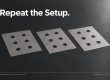
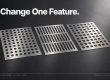
Photo etching can produce thin stainless steel micro-gears, toothed discs, needle-like profiles, indexing parts, and other flat precision components without the cutting forces associated with conventional machining. These parts are most suitable for photochemical etching when the geometry is essentially two-dimensional and the engineering challenge is repeatable tooth or feature definition across thin sheet material.
This guide focuses on the manufacturing questions that matter before production: stainless steel grade, sheet thickness, tooth or feature geometry, center and datum features, dimensional inspection, edge profile, and whether the drawing is better suited to photo etching, laser cutting, stamping, or another process.
Understanding High Precision Plate Etching
High-precision plate etching is a manufacturing technique that involves removing material from a metal sheet to create intricate, high-precision components. The process is typically used for producing parts with fine details and tight tolerances, which are challenging to achieve with traditional machining methods.
The principles behind etching involve using a chemical solution to dissolve unprotected metal surface areas. The metal is coated with a light-sensitive photoresist, which is then exposed to UV light through a patterned mask. The exposed photoresist is developed, revealing the underlying metal to the etching solution.
Various metals are commonly used in high-precision plate etching, with stainless steel being a popular choice due to its strength, corrosion resistance, and suitability for fine-detail work. Stainless steel’s durability makes it ideal for precision and reliability applications, such as medical devices, automotive systems, and aerospace components.
The Process of Etching Stainless Steel Micro-Needle Gears.
Initial Design Phase
The etching process begins with the design phase, where computer-aided design ( CAD) software is used to create detailed models of the micro-needle gears. These designs specify the dimensions and features required for the gears, ensuring precision and accuracy.
Photolithography Process
- Applying Photoresist : The stainless steel plate is coated with a thin layer of photoresist, a light-sensitive material that will define the areas to be etched.
- UV Light Exposure: The coated plate is then exposed to UV light through a photomask that contains the desired gear pattern. The UV light hardens the exposed areas of the photoresist.
- Developing the Image: The plate uses a chemical solution that washes away the unexposed photoresist, revealing the stainless steel in the areas to be etched.
Etching Process
- Chemical Etching Solutions: The developed plate is immersed in a chemical etching solution, typically ferric chloride or a similar etchant, which dissolves the exposed stainless steel.
- Immersion and Reaction Times: The immersion time and etchant concentration are carefully controlled to ensure precise material removal without over-etching.
- Precision Control Measures: Temperature, agitation, and etchant concentration are monitored throughout the process to maintain consistent etching quality.
Post-Etching Processes
- Cleaning: After etching, the remaining photoresist is removed, and the etched plate is thoroughly cleaned to eliminate any residual chemicals.
- Inspection for Quality and Accuracy: The etched micro-needle gears are inspected under magnification to meet the specified design tolerances and quality standards. Any deviations are corrected to ensure the gears perform as required in their applications.
The Process of Etching Stainless Steel Micro-Needle Gears
Initial Design Phase
The process begins with the design phase, where precise models of the micro-needle gears are created using computer-aided design (CAD) software. These models include intricate details and exact dimensions, ensuring the gears meet the required specifications. CAD modelling allows for the creation of highly accurate patterns essential for the subsequent photolithography and etching processes.
Photolithography Process
- Applying Photoresist: The stainless steel plate is coated with a layer of photoresist, a light-sensitive material that defines the areas to be etched.
- UV Light Exposure: The coated plate is exposed to UV light through a photomask containing the gear pattern. The UV light hardens the exposed photoresist, making it resistant to the etching solution.
- Developing the Image: The plate is created using a chemical solution that removes the unexposed photoresist, revealing the stainless steel in the areas to be etched.
Etching Process
- Chemical Etching Solutions : The developed plate is immersed in a chemical etching solution, such as ferric chloride, which dissolves the exposed stainless steel areas.
- Immersion and Reaction Times: The immersion time and etchant concentration are carefully controlled to ensure precise material removal and prevent over- or under-etching.
- Precision Control Measures : Throughout the etching process, temperature, agitation, and etchant concentration are closely monitored to maintain consistent quality and accuracy.
Post-Etching Processes
- Cleaning: After etching, the remaining photoresist is stripped away, and the etched plate is thoroughly cleaned to remove any residual chemicals and contaminants.
- Inspection for Quality and Accuracy: The etched micro-needle gears are inspected using magnification and measurement tools to ensure they meet the design specifications and quality standards. Any discrepancies are corrected to guarantee the gears’ performance in their intended applications.
Benefits of High Precision Plate Etching
High-precision plate etching offers significant benefits in the fabrication of micro-gears. One of the primary advantages is the high accuracy and precision achievable, which is essential for components like micro-needle gears that require intricate details and tight tolerances. This method allows for producing complex geometries that would be difficult or impossible to achieve with traditional machining.
The process is also cost-effective for both small-scale and high-volume production. The same photomask can be used repeatedly, reducing setup costs and making producing large quantities of parts economical. Additionally, design modifications can be easily implemented by simply changing the photomask, providing flexibility and adaptability in manufacturing.
Another key benefit is the minimal material waste compared to traditional machining methods. Etching removes only the necessary material, resulting in more efficient use of the stainless steel plate and contributing to overall cost savings and environmental sustainability.
Applications of Stainless Steel Micro-Needle Gears.
Due to their precision and durability, stainless steel micro-needle gears have diverse applications across several industries. In medical devices, they are essential in minimally invasive surgical instruments, where their small size and accuracy enable delicate and precise manoeuvres within the human body. These gears ensure reliable and smooth operation in intricate surgical procedures.
In the automotive industry, micro-needle gears are used in precise control systems, such as advanced braking systems and electronic control units, enhancing vehicle safety and performance.
These gears are crucial in navigation and control mechanisms in the aerospace industry, contributing to the precision and reliability required for aircraft and spacecraft operations.
In electronics, stainless steel micro-needle gears are used in micro-electromechanical systems ( MEMS), integral to various electronic devices, including sensors and actuators. Their small size and high precision make them ideal for these applications, ensuring efficient and reliable performance.
Critical Considerations in the Etching Process
Selecting the appropriate stainless steel grade is crucial in the etching process, as different grades offer varying levels of corrosion resistance, strength, and etchability. Ensuring the correct choice affects the final product’s performance and longevity.
Precise photolithography is essential to achieve the detailed patterns required for micro-needle gears. Accurate alignment and exposure control during this process determine the quality of the etching, impacting the gear’s precision.
Controlling etching parameters, such as the concentration of the chemical etchant, immersion time, and temperature, is vital to avoid over-etching or under-etching. These factors must be meticulously managed to remove the desired material and maintain the integrity of the intricate designs.
Another critical consideration is ensuring consistent quality in batch production. Implementing rigorous quality control measures, including regular inspections and testing, helps maintain uniformity and reliability across all produced gears, ensuring they meet the stringent requirements of their respective applications.
Challenges and Solutions
Due to etchant concentration and temperature variations, achieving uniform etching can be challenging. Solutions include precise control of etching conditions and using agitation to ensure even exposure.
Alignment problems during photolithography can be overcome by employing high-precision alignment equipment and rigorous calibration procedures. Handling thin and delicate structures requires gentle processing techniques and specialized equipment to prevent damage. Implementing these strategies ensures the production of high-quality, accurate micro-needle gears.
Future Trends in High-Precision Etching
Advancements in etching technology are focused on achieving even higher precision and efficiency. Innovations include more sophisticated photolithography methods and enhanced etching solutions. Emerging applications in new industries, such as biotechnology and nanotechnology, are expanding the scope of high-precision etching. Additionally, integrating etching with other microfabrication techniques, such as additive manufacturing and laser machining, promises to create more complex and functional components, driving further adoption of etching technologies.
Conclusion
Photo etching is a practical option for thin stainless steel micro-gears and similar flat precision profiles when complex perimeter geometry, repeatable fine features, and low hard-tooling requirements matter. Final capability depends on the actual drawing, material, thickness, feature geometry, and inspection requirements.
Send Xinketching the CAD drawing for a DFM review. We can assess the tooth or feature geometry, identify dimensions that require special control, and confirm whether photochemical etching is the right manufacturing process before quotation.

- Etching Titanium: When the Weight or the Chemistry Earns It - October 24, 2026
- Etching Copper and Brass: What Changes vs Stainless Steel - October 23, 2026
- Etching Stainless Steel: 304 vs 316L vs 301 for Etched Parts - October 22, 2026