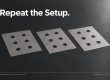
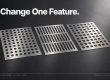
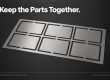
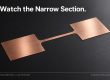
Etched metal mesh is different from woven, welded or mechanically perforated mesh: it starts from solid sheet or foil and uses controlled material removal to create the required openings, lands and outer profile. That makes photochemical etching useful when a buyer needs repeatable hole patterns, fine screens, filter plates, protective meshes or custom geometries without conventional punching tools. Material, thickness, opening geometry and tolerance should be reviewed together before production. For broader process context, see the metal etching guide and stainless steel etching service.
Understanding Metal Mesh
Metal mesh is created by interlacing or connecting metal wires or rods to form a grid-like structure. There are several types of metal mesh, including:
- Woven Mesh: Made by weaving metal wires in a crisscross pattern, offering flexibility and strength.
- Welded Mesh: Created by welding intersecting wires at their junctions, providing a rigid and durable structure.
- Perforated Mesh: Formed by punching holes into a solid metal sheet, allowing for specific hole patterns and sizes.
Typical metals used in mesh production include stainless steel, known for its corrosion resistance; aluminum, prized for its lightweight nature; and brass, which combines strength with a distinctive appearance. Metal mesh is widely used in various applications such as filtration systems, separating particles from fluids, architectural design, enhancing aesthetic appeal and functionality, and safety screens, providing barriers and protection in industrial and residential settings.
The Etching Process.
Etching is a metal processing technique used to create designs, patterns, or textures on a metal surface by selectively removing material. It is crucial in enhancing metal components’ aesthetic appeal and functional properties.
There are several etching techniques used for metal mesh:
- Chemical Etching: Involves applying a chemical solution to the metal surface, which reacts with the metal to create the desired pattern. This method is precise and suitable for intricate designs.
- Laser Etching: Utilizes a laser to vaporize the metal surface, allowing for high-resolution and detailed patterns. This technique is ideal for producing complex and delicate details.
- Mechanical Etching: Uses abrasive tools or mechanical means to remove material from the metal surface physically. This method is effective for creating robust and tactile textures.
Before etching, the metal mesh must be adequately prepared. This includes cleaning the mesh thoroughly to remove any dirt, grease, or oxidation that might interfere with the etching process. A protective layer, such as a resist coating, is then applied to areas that should remain unaffected by the etching solution, ensuring precise and clean results.
Tools and Materials
Essential Tools
To etch metal mesh, you will need several essential tools:
- Etching Machine : Depending on the technique, this could be a chemical etching setup, a laser etcher, or a mechanical etching tool.
- Protective Gear: Safety goggles, gloves, and masks to protect against chemicals and debris.
- Cleaning Supplies: Brushes, solvents, and cloths for pre-etching metal mesh cleaning.
Materials Needed:
- Etching Solutions: Chemical solutions or pastes for chemical etching or laser-specific materials using a laser etcher.
- Stencils and Masks: These apply specific patterns or designs to the metal mesh, ensuring only the desired areas are etched.
Safety Considerations:
- Ventilation: Ensure a well-ventilated workspace to avoid inhaling harmful fumes from chemicals.
- Protective Clothing : Wear appropriate clothing to prevent contact with etching solutions and other materials.
- Handling Chemicals: Follow safety instructions for handling and disposing of chemicals and use them in a controlled environment to minimize risks.
Step-by-Step Etching Process
Step 1: Preparation
Begin by thoroughly cleaning the metal mesh to remove contaminants such as grease, dirt, or oxidation. Use a suitable solvent and a brush or cloth to ensure a pristine surface. After cleaning, apply a protective layer, such as a resist coating or film, to the areas you want to remain unetched. This layer will safeguard the metal where the design will not be applied.
Step 2: Design Application
Use stencils, masks, or digital templates to apply your design or pattern to the metal mesh. For stencils or masks, carefully position them on the mesh and secure them to prevent shifting. Ensure the design is correctly aligned and all areas to be etched are adequately exposed.
Step 3: Etching
For chemical etching, carefully apply the etching solution to the exposed areas of the metal mesh, following the manufacturer’s instructions. Set up your laser etching machine according to the design specifications and start the etching process. Ensure consistent application or operation to achieve a uniform result.
Step 4: Post-Etching Care
Once the etching process is complete, remove the resist coating or film from the mesh. Clean the etched metal mesh thoroughly to remove any etching residue or chemical remnants. Apply a protective layer if necessary to prevent corrosion and enhance durability. Inspect the final product to ensure the etching meets your design specifications and quality standards.
Common Challenges and Solutions
Challenges
Common issues during etching include uneven etching, where the solution or laser might not apply uniformly, and design distortion, which can occur if stencils or masks shift.
Solutions
To address uneven etching, ensure consistent application of the etching solution or even laser settings. For design distortion, secure stencils or masks firmly and check alignment before starting the process. Regularly inspect the mesh during etching to make adjustments if necessary. Also, properly preparing and cleaning the metal surface can help prevent these issues and ensure a smooth, accurate result.
Applications of Etched Metal Mesh
Decorative Uses
Etched metal mesh is popular in interior design and art installations for its ability to create unique patterns and textures. It can be used in decorative panels, partition screens, and custom wall coverings to add visual interest and a touch of elegance to spaces.
Functional Uses
Beyond aesthetics, etched metal mesh is crucial in various functional applications. Infiltration systems improve separation efficiency by providing precise mesh sizes. Security screens enhance protection while maintaining visibility. In industrial settings, etched mesh is used for its durability and specific functional properties, such as in machinery guards and vents.
Conclusion
Etched mesh should be specified as an engineered sheet component rather than as a generic decorative mesh. For an RFQ, provide the material grade, thickness, overall size, opening geometry, critical dimensions, tolerance requirements, quantity and any flatness or surface-finish requirements. Xinketching can review the drawing and advise whether photochemical etching is suitable for the mesh design before production.

- Etching Titanium: When the Weight or the Chemistry Earns It - October 24, 2026
- Etching Copper and Brass: What Changes vs Stainless Steel - October 23, 2026
- Etching Stainless Steel: 304 vs 316L vs 301 for Etched Parts - October 22, 2026