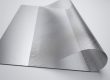
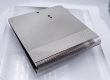
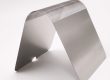
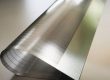
Photo-etched metal shims are thin flat components used to control spacing, alignment, preload or stack-up in mechanical and electronic assemblies. Unlike stamped shims, etched shims can incorporate complex outer profiles, internal openings, slots and multiple part variants without hard tooling.
The manufacturing decision should be based on material, thickness, flatness, critical dimensions, edge condition, quantity and whether secondary forming or surface treatment is required. Etching is especially useful for prototypes, low-to-medium volumes and geometries where tooling cost or burr control would otherwise be difficult.
This guide covers material selection, DFM, prototyping, process choice and the information required to quote custom photo-etched shims.
Understanding Metal Etched Shims.
Definition and Function
Thin, expertly carved bits of metal called metal etched shims are used in mechanical assemblies to assure alignment, fill in gaps, and offer support. They are vital in sectors including aircraft, automotive, electronics, and medical equipment, where precise alignment and spacing are critical. By upholding exact tolerances, these shims improve complicated systems’ durability, performance, and safety.
Materials Used
Common materials for making metal etched shims include:
- Stainless Steel : Known for its strength, corrosion resistance, and durability.
- Aluminum: Valued for its lightweight and excellent thermal and electrical conductivity.
- Brass: Chosen for its good machinability and corrosion resistance.
- Copper: Preferred for its excellent electrical and thermal conductivity.


Advantages of Metal Etching
Metal etching, particularly chemical etching, offers several benefits over traditional manufacturing methods such as stamping or laser cutting:
- Precision: Allows for highly accurate and intricate designs, essential for maintaining tight tolerances.
- Flexibility: Suitable for both large-scale production and small, custom batches.
- No Mechanical Stress: Unlike stamping, etching does not deform or stress the material, preserving its structural integrity.
- Cost-Effective: Reduces tooling costs and material waste, making it a cost-effective solution for producing complex parts.
The Customization Process
Design Phase
Customizing metal etched shims requires careful consideration throughout the design stage. With the aid of Computer-Aided Design (CAD) software, engineers may produce extremely accurate shim designs that meet particular specifications. Using thorough schematics and simulations made possible by CAD software, every dimension and aspect of the shim is guaranteed to fit the precise parameters required for its intended use. This precision is essential when even the slightest variance can result in severe performance problems.
Material Selection
Choosing a suitable material is another essential aspect of customizing metal etched shims. The selection process involves considering factors such as:
- Environmental Conditions: Materials must withstand the operating environment, including temperature extremes, humidity, and chemical exposure.
- Mechanical Properties: The material must have the appropriate strength, flexibility, and durability for its intended use.
- Thermal and Electrical Conductivity: Materials like aluminum or copper may be preferred for heat or electricity applications.
- Cost and Availability: The material should be cost-effective and readily available to ensure timely production.
Prototyping
Prototyping is a crucial step in the customization process. Once the initial design is complete, a prototype shim is produced to test its fit and function. This phase involves:
- Testing and Validation: The prototype is subjected to various tests to ensure it meets all design specifications and performs as expected under real-world conditions.
- Refinement: The design may be adjusted and improved based on test results. This iterative process ensures the final product is optimized for performance and reliability.
- Feedback Integration: Incorporating feedback from stakeholders and end-users can lead to further refinements, ensuring that the final product meets all requirements.
Through careful design, material selection, and prototyping, custom metal etched shims are created to meet the precise needs of their specific applications, ensuring optimal performance and reliability.


Metal Etching Techniques
Chemical Etching
Chemical etching is a subtractive manufacturing technique that produces accurate and complex designs using chemical solutions to remove undesired material from a metal surface. The metal sheet is cleaned first, and a light-sensitive substance called photoresist is applied. The assembly is subjected to ultraviolet radiation after covering the photoresist with a photographic mask bearing the required design. While the unexposed portions of the photoresist remain soluble and wash away, the exposed portions of the resist solidify. After that, the metal is submerged in an etching solution, which dissolves the exposed metal and leaves the intended design in place.
Advantages of Chemical Etching
- Precision: Capable of producing highly detailed and accurate patterns.
- No Mechanical Stress: The process does not deform the material, preserving its structural integrity.
- Flexibility: Suitable for both large-scale production and small custom batches.
- Cost-Effective: Lower tooling costs compared to mechanical methods.
Photochemical Machining (PCM)
A particular kind of chemical etching called photochemical machining ( PCM) transfers the desired pattern onto the metal surface using a photographic technique. PCM is exceptionally well suited for producing elaborate, sophisticated patterns with minute details. While the method is comparable to conventional chemical etching, photography techniques provide more detail and precision.
Suitability of PCM
- High Precision: Ideal for applications requiring fine detail and tight tolerances.
- Complex Geometries: Can produce intricate shapes that are difficult to achieve with other methods.
Laser Etching
Laser etching creates the intended pattern by vaporizing the surface material with a powerful laser beam. Although this approach has significant limits, it has numerous advantages over chemical etching.Pros of Laser Etching:
- Speed : Faster process compared to chemical etching, especially for small batches.
- Flexibility: Capable of working with a variety of materials and thicknesses.
- No Chemicals: Eliminates the need for hazardous chemicals, making it environmentally friendly.
Cons of Laser Etching:
- Heat-Affected Zones: The laser can cause thermal distortion or stress in the material.
- Lower Precision : Not as precise as chemical etching for highly intricate designs.
- Higher Costs : Equipment and operational costs are typically higher than chemical etching.
Conclusion
Photo-etched shims are a strong manufacturing option when a design requires thin flat geometry, complex openings, low hard-tooling cost or rapid iteration. Final fit still depends on the material grade, thickness, flatness, critical dimensions, surface finish and any forming or coating requirements.
For related guidance, see the Chemical Etching Tolerance Calculator and Photochemical Etching for Design Engineers. For an RFQ, send the shim drawing with material, thickness, critical dimensions, quantity and any secondary-process requirements.

- Foldable Phone Metal Mesh: Hole Size, Pitch & Tolerance - September 19, 2026
- Grade 5 Titanium Etching for Foldable Electronics - September 18, 2026
- Etched Titanium Support Plates: A First-Sample Inspection Checklist - September 17, 2026