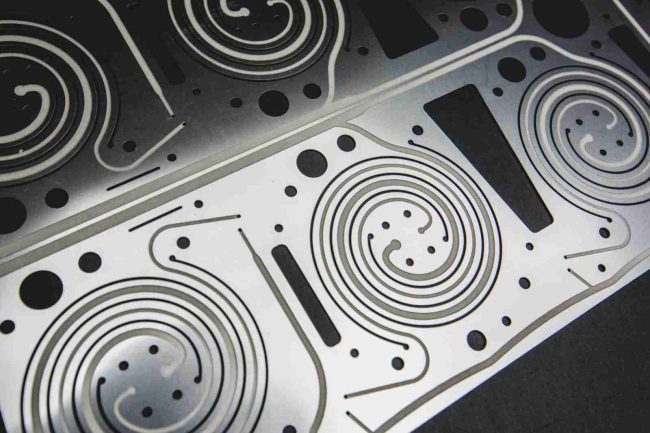
How to Calculate Etching Time: Formula, Rate & Examples
Learn how to calculate etching time from etch depth and etch rate, then adjust for temperature, chemistry, undercut, loading and mask performance before production.


Learn how to calculate etching time from etch depth and etch rate, then adjust for temperature, chemistry, undercut, loading and mask performance before production.
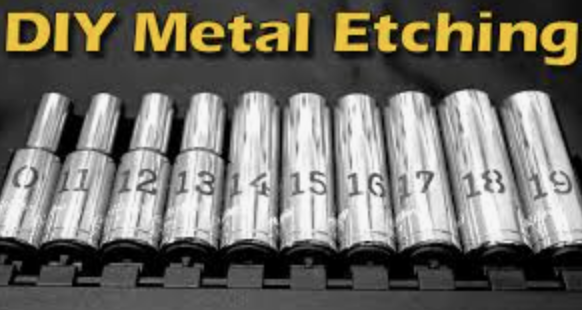
Etching socket tools is a practical and creative way to customize, label, or brand metal sockets for identification or aesthetic purposes. This guide explores various etching methods, safety precautions, and step-by-step instructions to achieve professional results. 1. Introduction to Etching Socket Tools Socket tools, typically made of chrome vanadium steel or alloy steel, are used…
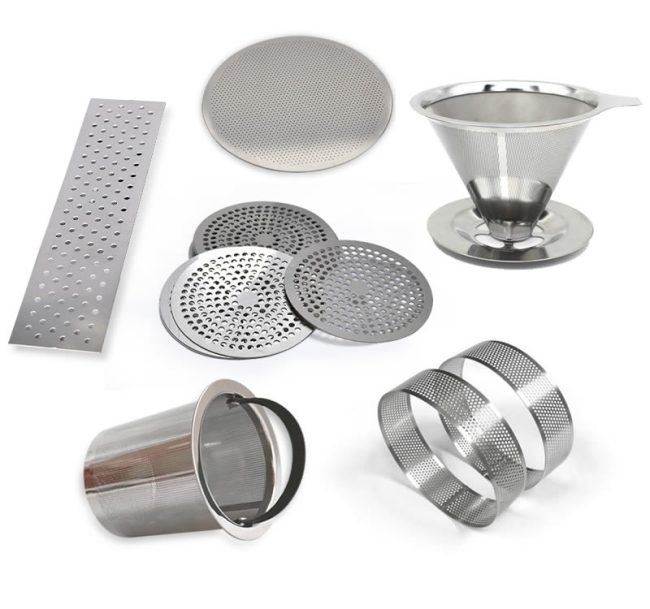
Photo metal etching service guide covering process flow, materials, DFM considerations and drawing-review inputs for precision thin-metal parts.

Etching applications in electronic products, with emphasis on thin-metal photochemical parts such as shields, contacts, lead frames, screens and apertures.

Manufacturing overview of etching for medical equipment, including thin-metal components, microfeatures, filtration structures, surface modification and process selection.

Metal etching is a subtractive manufacturing process that removes material from a metal surface to create intricate designs, markings, or functional components. It is widely used in industries like aerospace, electronics, jewelry, and automotive manufacturing, as well as by hobbyists for DIY projects. This guide explores the tools, methods, and best practices for successful metal…
Laser etching is a non-contact, precision-based process that uses a focused laser beam to alter the surface of a material, creating permanent marks, designs, or patterns. Unlike traditional engraving, which removes material to form deeper grooves, etching melts the surface layer, resulting in shallow, high-contrast marks. This method is widely favored for its accuracy, speed,…
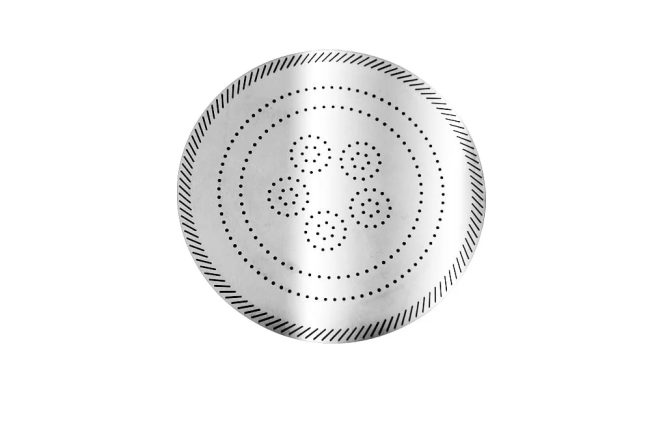
Guide to stainless steel etching solutions, process control, troubleshooting, safety, and etchant selection for repeatable photochemical manufacturing.

In today’s fiercely competitive market, where consumers are constantly bombarded with choices, effective branding can be the difference between a product that stands out and fades into obscurity. A strong brand identity captures attention and fosters trust and loyalty among customers. As companies strive to create lasting impressions, the methods used to brand products have…

Did you know that traditional etching processes, often reliant on harsh chemicals, contribute significantly to environmental pollution? Acid etching, for example, not only generates toxic waste but also consumes large amounts of energy, leading to a considerable carbon footprint. As industries and consumers alike become more aware of environmental concerns, the demand for greener manufacturing…
WhatsApp us