Eted Metallic Washer Shims

The Comprehensive Benefits of Eted Metallic Washer Shims

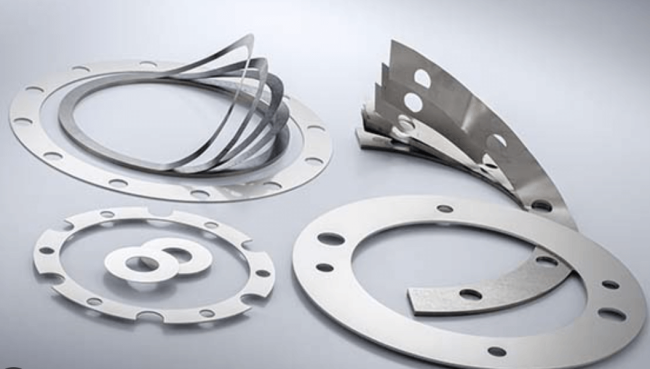
Eted metallic washer shims are precision-engineered components designed to address alignment, spacing, and load distribution challenges in various industrial applications. Crafted from high-quality metals, these shims offer distinct advantages over non-metallic alternatives. This article explores their key benefits, applications, and why they are a preferred choice in demanding environments. 1. Material Superiority and Durability Eted…
What Are The Advantages of Stencil Etching

What Are The Advantages of Stencil Etching?

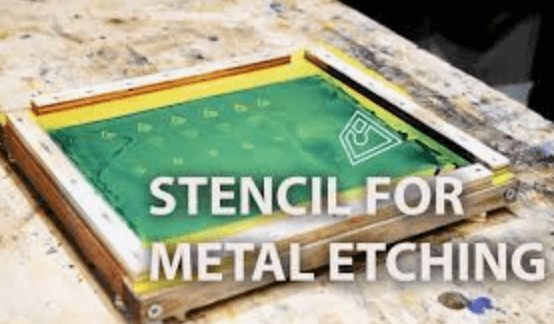
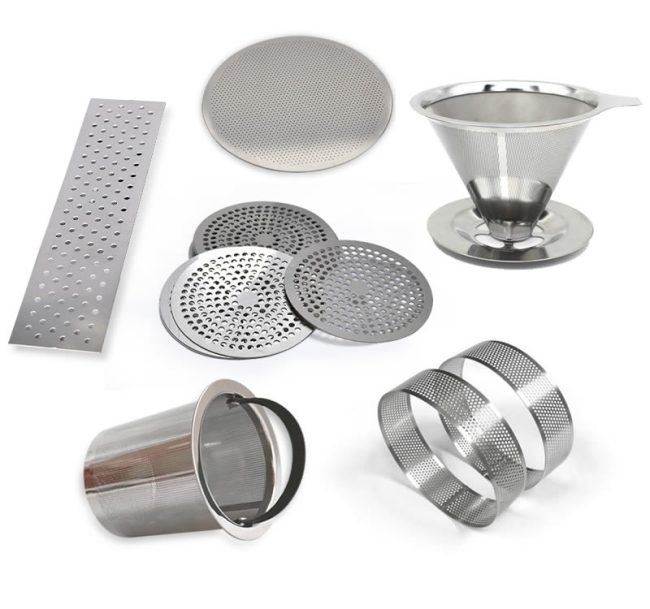
Stencil etching is a microfabrication technique that employs a physical mask (stencil) to selectively remove material from a substrate. Unlike photolithography, which uses light-sensitive resists, stencil etching relies on direct patterning, offering unique benefits across industries. This article explores the key advantages of stencil etching, emphasizing its efficiency, versatility, and cost-effectiveness. 1. Cost-Effectiveness Stencil etching…

Seamless Roll-to-Roll Continuous Etching

The Complete Guide to Seamless Roll-to-Roll Continuous Etching

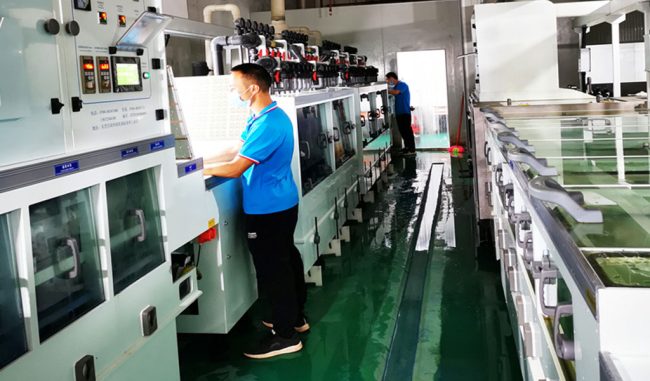
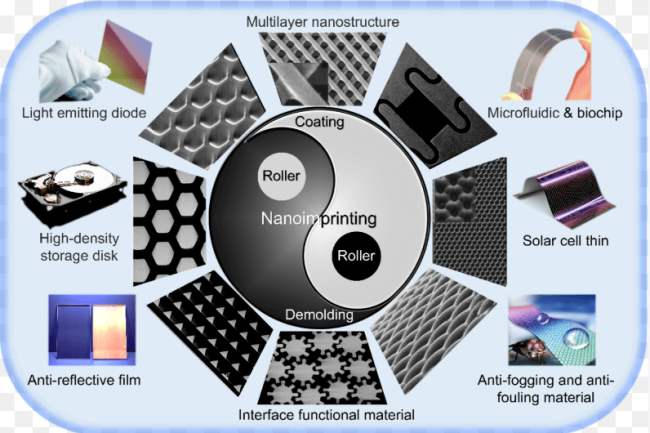
Roll-to-roll (R2R) continuous etching is a transformative manufacturing technique enabling high-throughput, cost-effective patterning of flexible substrates. Essential for industries like flexible electronics, energy, and sensors, this guide explores the intricacies of R2R etching, from system components to emerging trends. 1. Components of an R2R Etching System Unwinding/Rewinding Modules: Precision tension control ensures smooth substrate handling.…

The Principle of Metal Etching

How To Order China Etched Parts: A Comprehensive Guide

Chemical etching is a precision manufacturing process that uses acid or alkaline solutions to selectively remove material, creating intricate metal components. It’s ideal for industries like aerospace, electronics, automotive, and medical devices due to its ability to produce complex geometries without altering material properties. Advantages of Sourcing from China Cost-Effectiveness: Competitive labor and material costs.…

Metal Chemical Corrosion vs. Electrochemical Corrosion

Metal Chemical Corrosion vs. Electrochemical Corrosion: A Detailed Analysis

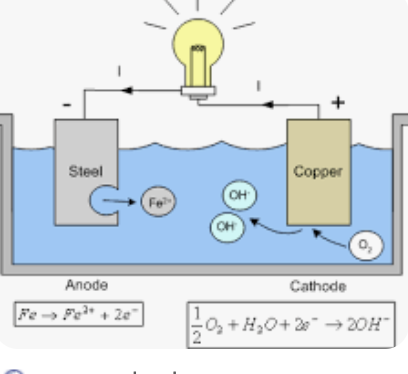
Corrosion, the degradation of metals due to environmental interactions, occurs through two primary mechanisms: chemical corrosion and electrochemical corrosion. Understanding their differences is crucial for effective material selection and corrosion prevention. Below is a structured comparison of these processes. 1. Definitions Chemical Corrosion: A direct reaction between a metal and corrosive substances (e.g., gases, liquids) without requiring an electrolyte…

Etching Molds

A Comprehensive Guide to Etching Molds Using Metal Etching Techniques

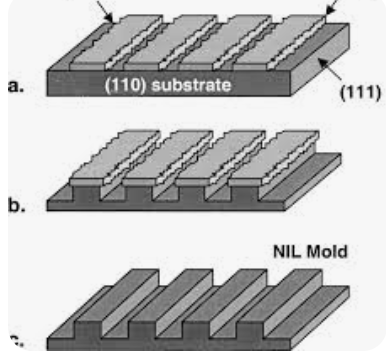
Metal etching is a subtractive manufacturing process used to create intricate designs, textures, or functional features on metal surfaces. When applied to mold-making, etching enables the production of high-precision molds for applications such as injection molding, embossing, or microfluidic devices. This guide provides a detailed overview of the materials, steps, and considerations involved in etching…

Characteristics of Zinc Alloy Chemical Etching

Characteristics of Zinc Alloy Chemical Etching: A Comprehensive Analysis

Zinc alloys, renowned for their durability, corrosion resistance, and cost-effectiveness, are widely used in industries such as automotive, electronics, and consumer goods. Chemical etching, a subtractive manufacturing process, offers precise and efficient shaping of these alloys. This article delves into the intricacies of zinc alloy chemical etching, exploring its process parameters, characteristics, applications, challenges, and…

Characteristics of Magnesium Alloy Chemical Etching

Characteristics of Magnesium Alloy Chemical Etching: A Comprehensive Analysis

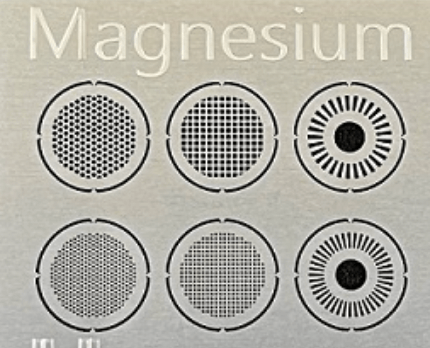
Magnesium (Mg) alloys are prized in industries like aerospace, automotive, and electronics for their exceptional strength-to-weight ratio and durability. However, their high reactivity and susceptibility to corrosion necessitate precise surface treatments. Chemical etching, a process using controlled chemical reactions to remove material, is critical for preparing Mg alloys for further applications. This article explores the…