I am Jody Zhang, I graduated from Wuhan University in 2000. I am an automation engineer with 24 years of experience, in charge of writing content for Xinketching. I am willing use my experiences to create reliable and necessary metal etching information to help our readers. We welcome readers to engage with us on various topics related to metal manufacturing. Please feel free to share your thoughts and questions on these subjects with us. We look forward to hearing from you!
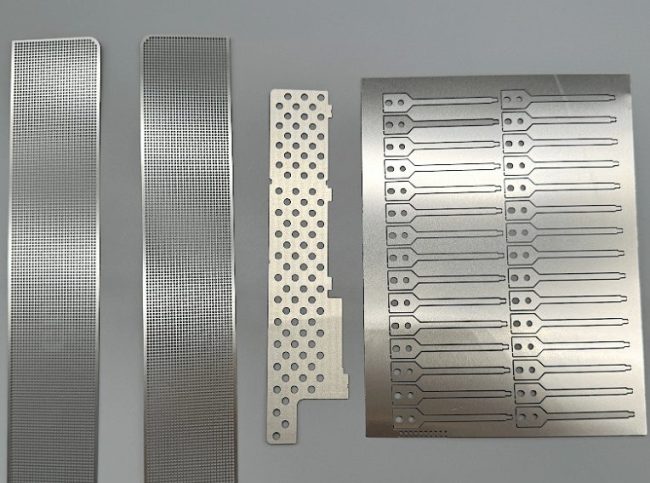
Metal etching is a subtractive manufacturing process used to create intricate designs, remove surface layers, or fabricate precision components. It involves applying a resist to protect certain areas and using a chemical etchant to dissolve exposed metal. Despite its precision, issues can arise due to various factors. This guide explores common causes of etching problems…
Metal etching is an intricate process that involves using acids or chemicals to create detailed designs on metal surfaces. While the results are stunning, etched metal is prone to rust due to its exposed grooves and crevices, which trap moisture. This guide provides step-by-step methods to safely remove rust without damaging delicate etched patterns, along…
Metal etching is a critical process in industries ranging from electronics to aerospace, requiring pristine surfaces to ensure precise results. Oil contamination—from machining, handling, or storage—can compromise adhesion, leading to defects. This guide explores proven methods for oil removal, ensuring optimal metal surface preparation. Why Oil Removal is Essential Oils and greases create hydrophobic barriers…
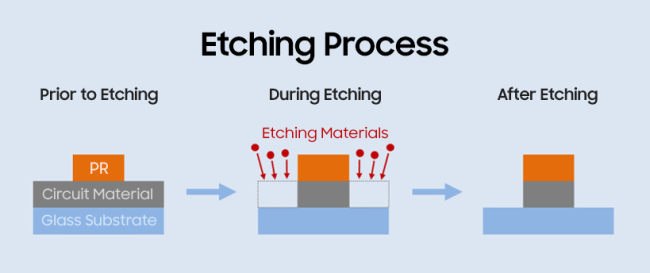
Image source: wikihow Etching is a subtractive manufacturing process that removes material from a substrate using a chemical solution (wet etching) or plasma ( dry etching) . This guide focuses on wet chemical etching, widely used in industries like electronics, metallurgy, glasswork, and art. The choice of etching solution depends on multiple factors, including material compatibility,…
Metal etching is a critical manufacturing process used in industries such as electronics, aerospace, and automotive to create precise components. Achieving consistent results requires meticulous control of chemical, physical, and solution-related parameters. This article explores the key factors influencing the etching process and their management. 1. Chemical Parameter Control Chemical parameters directly influence the reactivity…
Etching is a subtractive manufacturing process used to selectively remove material from a substrate using chemicals, plasma, or other agents. A critical component of etching is the anti-etching layer ( or resist) , which protects specific regions of the material from being etched. The scratching method is a manual, low-tech technique historically used to pattern this protective…
Etching technology, pivotal in industries like semiconductors, printed circuit boards (PCBs), and metalworking, involves removing material layers using chemicals or plasma. The process demands materials that withstand harsh environments, including alkalis ( e.g., NaOH, KOH) and corrosive agents (e.g., acids, plasmas). This article explores materials resistant to these conditions, their applications, and selection criteria. Corrosive…
In microfabrication and semiconductor manufacturing, the anti-etching layer ( or etch mask) is critical for selectively protecting regions of a substrate during etching. This layer must meet stringent requirements to ensure precise pattern transfer, durability, and compatibility with complex processes. Below, we explore the key requirements for effective anti-etching layers, material considerations, and process integration…
Brass etching is a technique used to create intricate designs on brass surfaces by selectively removing material with chemicals. Pretreatment is critical to ensure the metal is free of contaminants that could hinder etching. This guide details the steps, safety measures, and best practices for effective brass pretreatment. Safety Precautions Personal Protective Equipment (PPE): Gloves, goggles,…
Aluminum alloys are widely used in industries such as aerospace, automotive, electronics, and construction due to their lightweight, corrosion resistance, and mechanical strength. However, surface treatments like anodizing, painting, or plating require meticulous preparation to ensure adhesion and performance. The etching pretreatment process is critical for removing contaminants, oxides, and impurities while creating a uniform…