What is the Most Common Etch?
Nitric acid and ferric chloride are the most common etching solutions. Nitric acid works on copper, zinc, and steel plates, while ferric chloride specifically targets copper.
Traditional Acid Solutions
Artists typically dilute nitric acid to 1:3 ratio with water for copper plates. Printmaking studios like Crown Point Press in San Francisco use ferric chloride for safer handling. Dutch mordant, mixing hydrochloric acid with potassium chlorate, remains popular for fine detail work on copper.
Modern Alternatives
Edinburgh Etch combines ferric chloride with citric acid for cleaner lines. Saline sulfate solutions offer non-toxic options for aluminum plates. Many universities now require these safer alternatives in teaching studios.
What are the 4 Types of Printmaking?
The four main printmaking types are relief, intaglio, planographic, and stencil printing. Each uses different surface levels to transfer ink to paper.
Surface Level Differences
Relief printing (woodcut, linocut) prints from raised surfaces. Intaglio (etching, engraving) prints from grooves below the surface. Planographic (lithography) prints from flat surfaces using oil-water resistance. Stencil (screen printing) pushes ink through cut openings.
Material Requirements
Woodblocks suit relief printing. Metal plates work for intaglio. Limestone or aluminum plates serve lithography. Silk or polyester mesh enables screen printing. Each method produces distinct textures—relief creates bold lines, intaglio allows fine details.
Which Tool is Used for Etching?
An etching needle scratches through acid-resistant ground on metal plates. The exposed metal lines will be bitten by acid later.
Essential Drawing Tools
Standard etching needles have steel or diamond tips. Twisted needles create varied line weights. Roulettes add dotted textures. Burnishers smooth unwanted marks. Artists grip needles like pencils for natural drawing motion.
Plate Preparation Equipment
Hard ground requires heated plates and leather rollers. Soft ground needs wax balls and tarlatan cloth. Aquatint uses rosin dust boxes or airbrushes. Stop-out varnish and brushes protect completed areas during multiple acid baths.
How to Tell an Etching from an Engraving?
Etchings show irregular, soft lines from acid biting. Engravings display sharp, controlled lines cut directly by hand tools.
Line Quality Indicators
Etched lines appear slightly fuzzy under magnification, with uneven edges from acid action. Engraved lines look crisp with clean edges and tapered ends. Etched lines vary naturally in depth. Engraved lines show consistent V-shaped grooves.
Plate Evidence
Etchings often combine techniques—aquatint backgrounds with linear work. Engravings rarely mix methods. Check print margins for plate marks—etched plates feel rougher than polished engraved plates.
Why Do We Use Etching?
Etching allows artists to draw naturally on metal plates without requiring engraving skills. Acid creates lines impossible to cut by hand.
Artistic Advantages
Artists achieve spontaneous drawing quality similar to pen on paper. Multiple acid baths create tonal ranges from light gray to deep black. Aquatint adds watercolor-like washes. Rembrandt’s 300+ etchings demonstrate expressive potential beyond engraving limits.
Technical Benefits
Plates yield 50-100 quality impressions before wearing. Steel-facing extends editions to thousands. Artists easily correct mistakes by burnishing and re-grounding. Modern photo-etching transfers digital designs directly to plates.
Is Etching Cheaper than Engraving?
Yes, etching costs less than engraving. Etching requires basic materials—acid, ground, and needles. Engraving demands expensive burins and years of training.
Equipment Costs
Etching starter kits cost $200-500. Professional engraving tools start at $1,000. Etching uses standard copper plates ($20-50). Engravers need specially hardened steel plates ($100+). Acid baths replace hours of manual cutting.
Labor Differences
Etching a detailed plate takes 4-8 hours. Equivalent engraving requires 20-40 hours. Master engravers charge $500+ per square inch. Etching workshops cost $50-150 per session.
What Does Acid Etching Do to Metal?
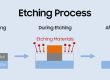
Acid dissolves exposed metal areas, creating recessed lines and textures that hold ink for printing.
Chemical Process
Acid ions react with metal atoms, forming soluble salts. Ferric chloride turns copper into copper chloride. Nitric acid converts zinc to zinc nitrate. Reaction speed doubles every 10°C temperature increase. Bubbles indicate active etching.
Depth Control
Five-minute baths create hairlines. Thirty-minute exposure produces bold lines. Artists achieve gradations by stopping out areas between multiple baths. Temperature, concentration, and agitation affect bite rate. Copper etches 1mm deep per hour in standard nitric solution.

- Everything You Need To Know About Metal Etching - February 7, 2026
- Understanding Etching in Art and Metalwork - December 23, 2025
- Is Etching Cheaper Than Engraving? - November 28, 2025